useful
Sludge Dewatering and Fermentation System
- TOP
- Insights
- Sludge Dewatering and Fermentation System
- Methods and Types of Sludge Treatment: What Are Environmentally Friendly Options?
2024.07.22Sludge Dewatering and Fermentation System
Methods and Types of Sludge Treatment: What Are Environmentally Friendly Options?
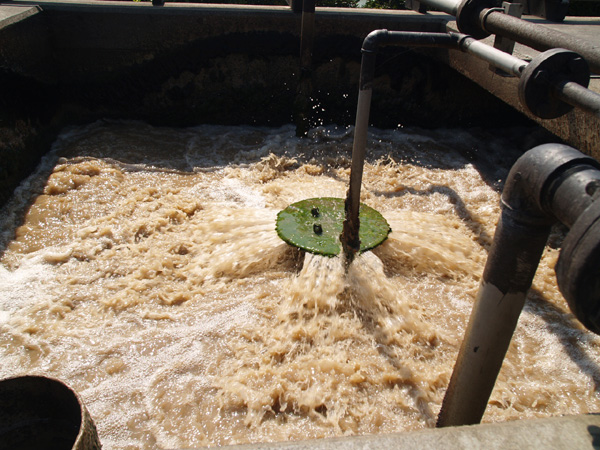
A family of four generates approximately 2,000 500 mL plastic bottles’ worth of wastewater every day. Because wastewater disappears from sight once it goes down the drain, many people are unaware of the challenges associated with wastewater and sludge treatment.
The wastewater is transported to a wastewater treatment plant, where it is treated and separated into treated water and sludge.
While the treated water can be safely reused, few people realize that sludge can contribute to environmental degradation if it is not properly managed. This is why effective sludge treatment and disposal are so important.
In this article, we explain the main methods of sludge treatment and disposal. You’ll also learn how sludge dewatering presses and sludge thickeners help make sludge treatment more efficient and environmentally responsible.
What is Sludge?
Treating polluted water means removing impurities other than water (H₂O). One of the most widely used methods for removing dissolved contaminants is biological treatment, also known as biological wastewater treatment.
Biological treatment uses enzymes produced by microorganisms to separate contaminants from water. Simply put, the pollutants in the wastewater become food for microorganisms. As the microorganisms consume these pollutants, the water is purified and separated from the impurities.
The material separated from the water during this process is called sludge. In biological treatment, sludge consists primarily of microorganisms, dead microbial cells, and metabolic by-products. While microorganisms are essential for purifying wastewater, the cleaner the water becomes, the more sludge is generated as a by-product.
Sludge is classified as industrial waste and must be treated and disposed of properly in accordance with applicable laws and regulations. In Japan, approximately 155.66 million metric tons of sludge were generated in fiscal year 2022, accounting for 42% of all industrial waste.
Types of Sludge
Sludge can be broadly classified into organic sludge and inorganic sludge. This section introduces these two types of sludge, as well as the differences between sludge classified as general waste and sludge classified as industrial waste.
1. Organic Sludge
Organic sludge refers to sludge containing a high concentration of organic matter, generated during the wastewater treatment process for domestic wastewater and wastewater from food processing plants.
Organic sludge contains substances such as food residues and animal waste. It is produced when microorganisms decompose organic matter as a food source, and the microorganisms multiply during the treatment process. In some cases, the organic sludge itself can become a source of additional sludge.
Organic sludge is also known as waste activated sludge, and refers to solids formed by aggregated microorganisms. When present in appropriate amounts, it plays a useful role in water purification.
However, excessive organic sludge can place a burden on treatment facilities, making proper management and treatment essential.
Treating organic sludge is also important from the perspective of environmental protection. If left untreated, it can cause odor problems and water pollution, raising concerns about its impact on ecosystems.
2. Inorganic Sludge
Inorganic sludge is sludge that contains a high concentration of inorganic materials, such as metals and minerals.
It is generated at facilities such as chemical plants, electroplating and surface treatment plants, power plants, and water treatment plants. It also includes slurry and excavated soil produced during construction work. In the construction industry, this type of inorganic sludge is often referred to as construction sludge.
One of the key characteristics of inorganic sludge is that it often contains hazardous substances, including heavy metals and various chemical compounds.
Improper handling or illegal dumping of inorganic sludge can have serious environmental consequences, including contamination of surrounding soil and water.
Proper treatment of inorganic sludge is therefore essential not only for environmental protection but also for promoting the effective recovery and reuse of valuable resources.
3. General Waste vs. Industrial Waste Sludge
Sludge is classified as either general waste or industrial waste, depending on its source and characteristics.
Sludge generated through specific industrial or commercial activities is classified as industrial waste. Examples include sludge produced at manufacturing plants and construction sites.
In contrast, sludge containing human waste that is generated during the cleaning of septic tanks or combined treatment septic systems is classified as general waste. The collection and treatment of general waste are typically the responsibility of local municipalities.
Some types of sludge are further classified as specially controlled general waste because they pose a greater risk to human health and the environment. For example, sludge generated from waste incineration facilities that contains high concentrations of dioxins falls into this category due to its high toxicity.
Because the classification of sludge depends on its composition and source, proper identification and appropriate treatment are essential to ensure compliance with environmental regulations and protect public health.
Contact Us About Sludge Dewatering Presses and Sludge Thickeners
Examples of Sludge: Common Applications for Sludge Treatment
The following are five common examples of sludge that require treatment:
- Sewage Sludge
- Industrial Wastewater Treatment Sludge
- Swine Manure Sludge
- Food Processing Wastewater Treatment Sludge
- Septic Tank Sludge
1. Sewage Sludge
Sewage sludge refers to sludge generated at municipal wastewater treatment plants.
It is primarily produced from the treatment of domestic wastewater, stormwater, and industrial wastewater. Sewage sludge is characterized by its high organic matter content and nutrient value.
In recent years, increasing efforts have been made to recycle sewage sludge. It is used in a variety of applications, including as road base material and as a raw material for compost to improve agricultural soils.
2. Industrial Wastewater Treatment Sludge
Industrial wastewater treatment sludge consists of the solid materials removed from wastewater generated by factories and other industrial facilities.
This type of sludge often contains hazardous substances, such as heavy metals and various chemical compounds. If it is not treated properly, it can cause serious environmental pollution. For this reason, industrial wastewater treatment sludge must be handled and disposed of in strict accordance with applicable environmental laws and regulations.
3. Swine Manure Sludge
Among the various types of livestock waste, swine manure sludge is one of the most significant environmental challenges facing the livestock industry.
Swine manure sludge is the waste generated during the treatment of manure and urine produced in pig farming. It has two main characteristics:
- High Organic Matter Content
Swine manure sludge is rich in organic matter, including nutrients such as nitrogen and phosphorus. When treated properly, it can be recycled and used as an organic fertilizer in agriculture.
- Environmental Risks
Swine manure sludge can generate unpleasant odors and provide a breeding ground for pathogenic microorganisms. If not properly managed, it may also contaminate groundwater and soil. For these reasons, appropriate treatment is essential to minimize its environmental impact.
4. Food Processing Wastewater Treatment Sludge
Food processing wastewater treatment sludge is generated during the treatment of wastewater discharged from food processing facilities.
This type of sludge contains a large amount of biodegradable organic matter, making it well suited for recycling as compost or organic fertilizer. However, because it originates from food production processes, strict hygiene and quality control measures are essential throughout its treatment and reuse.
5. Septic Tank Sludge
Septic tank sludge is generated from septic systems used in homes and small commercial facilities.
This type of sludge contains large amounts of organic matter and microorganisms. If it is not treated properly, it can cause unpleasant odors and environmental pollution. Therefore, septic tank sludge must be treated and disposed of in accordance with applicable laws and regulations.
Contact Us About Sludge Dewatering Presses and Sludge Thickeners
Sludge Treatment Methods
There are various methods of sludge treatment, each designed to suit the characteristics of the sludge and the intended treatment objective. The nine most common sludge treatment methods are described below.
1.Incineration
This method involves burning sludge at high temperatures. It mainly reduces the volume of organic matter through combustion, removing odors and microorganisms. The heat generated from the incineration process can be used for generating electricity and heating. However, high-temperature incineration is costly and raises concerns about carbon dioxide emissions.
Types of Incineration
- Fluidized Bed Incineration
- Rotary Kiln Incineration
2. Landfilling
Landfilling is a sludge treatment method in which stabilized sludge is disposed of at a designated landfill site.
Before sludge can be landfilled, it must be properly treated to prevent contaminants such as salts and heavy metals from adversely affecting the environment.
In addition, landfill sites require ongoing monitoring and management for an extended period after disposal.
Because landfill capacity is limited, landfilling is often not considered a sustainable long-term solution. As available landfill space decreases, reducing the volume of sludge sent to landfills and combining landfilling with other treatment methods become increasingly important.
3. Thickening/Dewatering
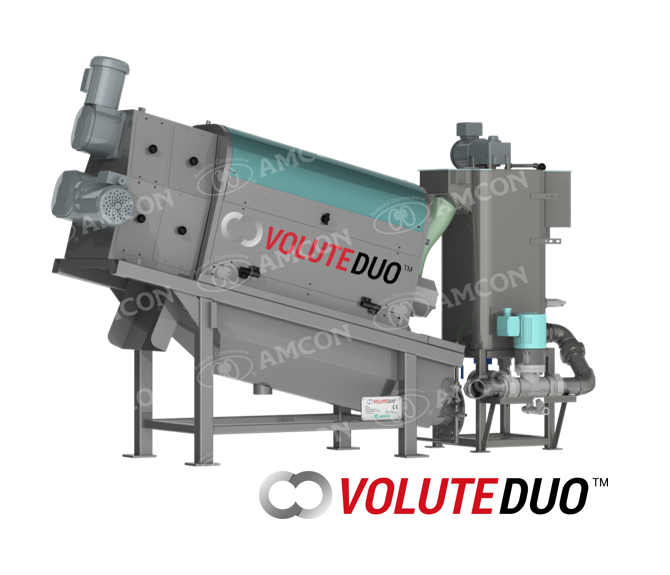
Since sludge contains a large amount of water, direct incineration or landfill disposal will be costly. Thickening and dewatering reduces the volume of sludge, thereby cutting down on disposal costs and environmental impacts. Dewatering also makes the sludge easier to handle and transport by converting it into a cake-like form. Thickened sludge remains in a liquid form, which can be beneficial for certain handling processes. The water separated during thickening and dewatering is treated and returned to the natural cycle.
For more details on AMCON’s Sludge Dewatering Press/Sludge thickener, click here
Contact Us About Sludge Dewatering Presses and Sludge Thickeners
4.Raw Materialization for Cement
Using sludge as a cement raw material is a sludge treatment method in which sludge is dried and fired before being recycled as a raw material for cement production.
This process not only recovers valuable resources but also helps render hazardous substances in the sludge harmless during cement manufacturing.
It is suitable when the composition of the sludge meets the requirements for cement production.
However, sludge must satisfy specific quality standards before it can be used as a cement raw material. If it contains excessive levels of heavy metals or other impurities, appropriate pretreatment is required.
5.Composting
Composting is a sludge treatment method in which sludge containing organic matter is decomposed by microorganisms and recycled as fertilizer for agricultural use.
During the composting process, the organic matter in the sludge undergoes fermentation and maturation, producing nutrient-rich compost.
However, treating large volumes of sludge through composting requires both substantial space and sufficient processing time.
One of the key advantages of composting is that it reduces environmental impacts while enabling sludge to be effectively recycled as a valuable agricultural resource.
6.Anaerobic Digestion
Anaerobic digestion is a sludge treatment method in which anaerobic microorganisms break down the organic matter in sludge, producing methane gas.
One of the key advantages of anaerobic digestion is that the methane gas generated during the process can be recovered and used as a renewable energy source. This allows both sludge volume reduction and energy recovery to be achieved simultaneously.
However, anaerobic digestion requires specialized equipment and advanced operational expertise.
The main benefits of anaerobic digestion include:
- Recovery of renewable energy through methane gas production
- Reduction of organic matter by anaerobic microorganisms
7.Pelletization and Solidification
Pelletization and solidification is a sludge treatment method that converts sludge into solid granules, making it easier to handle.
By solidifying the sludge into pellets, transportation and storage become more efficient, simplifying both recycling and final disposal.
In addition, pelletized sludge can be reused in applications such as road construction and construction materials, contributing to more effective resource utilization.
The main benefits of pelletization and solidification include:
- Easier transportation and storage of sludge
- Reuse in road construction and other construction materials
8.Melting
Melting is a sludge treatment method in which sludge is heated to extremely high temperatures, converting its inorganic components into slag.
The resulting slag can be recycled as a construction material, contributing to the effective use of resources.
However, because the melting process requires a significant amount of energy, the initial investment for installing and operating melting facilities tends to be high.
9.Oil-Water Separation
Oil-water separation is a treatment method used to separate the oil and water contained in sludge.
During this process, the sludge is treated to separate the oil and water, allowing each to be recovered and reused where possible.
The recovered oil can be recycled and, in some cases, used as fuel. The separated water is further treated before being discharged or reused for other purposes.
Although oil-water separation requires advanced technology and specialized expertise, it is an effective method for recovering valuable resources and improving resource efficiency.
Contact Us About Sludge Dewatering Presses and Sludge Thickeners
Advantages and Disadvantages of Sludge Treatment Methods
The following table summarizes the main advantages and disadvantages of the nine sludge treatment methods discussed above.
| Treatment Method | Advantages | Disadvantages |
| Incineration | Reduces sludge volume; eliminates odors | High operating costs; CO₂ emissions |
| Landfilling | Simple disposal method | Requires long-term management; environmental impact |
| Thickening and Dewatering | Reduces sludge volume; improves handling | None significant* |
| Use as a Cement Raw Material | Enables effective resource recycling | Sludge must meet quality standards |
| Composting | Produces fertilizer for agricultural use | Requires time and large processing areas |
| Anaerobic Digestion | Recovers renewable energy | Requires specialized operation and equipment |
| Pelletization and Solidification | Easier transportation and handling | Equipment installation can be costly |
| Melting | Produces slag that can be reused as construction material | High energy consumption |
| Oil-Water Separation | Enables resource recovery and reuse | Requires advanced technology |
What Sludge Thickeners and Sludge Dewatering Presses Do
Waste activated sludge generated during biological treatment typically contains more than 99% water. If it is incinerated or landfilled without prior treatment, disposal costs can be extremely high. The primary role of sludge thickeners and sludge dewatering presses is to reduce the volume of sludge by removing as much water as possible, thereby lowering disposal costs and minimizing environmental impact.
A sludge dewatering press separates solids from liquids to significantly reduce sludge volume. It also produces a cake after dewatering, making the sludge much easier to transport, handle, and dispose of.
A sludge thickener serves a similar purpose by reducing sludge volume. However, unlike a dewatering press, the concentrated sludge remains in a liquid or slurry form after thickening. This makes sludge thickeners an effective solution when liquid sludge is easier to handle in downstream treatment processes.
The water separated during thickening or dewatering is returned to the wastewater treatment process. After being treated, it is discharged into rivers or other receiving waters, where it safely re-enters the natural water cycle.
The remaining sludge is typically disposed of through landfilling or incineration. For this reason, the ability of sludge thickeners and sludge dewatering presses to efficiently reduce sludge volume plays a vital role in environmental protection and in supporting a more sustainable society.
As a general guideline, sludge thickeners can reduce the volume of waste activated sludge by approximately 88% or more, while sludge dewatering presses can achieve a volume reduction of approximately 95% or more.
Contact Us About Sludge Dewatering Presses and Sludge Thickeners
Features of the VOLUTE™ Dewatering Press
Sludge is an industrial waste generated wherever wastewater is treated. For this reason, sludge dewatering presses are widely used not only at municipal wastewater treatment plants but also at factories, farms, and other facilities that discharge wastewater in accordance with local environmental regulations.
Several types of sludge dewatering technologies are available, including belt presses, centrifuges, filter presses, and screw presses.
The VOLUTE™ Dewatering Press is an innovative evolution of the conventional screw press. It features a patented clog-free self-cleaning mechanism that mechanically prevents filter clogging—a common challenge with conventional dewatering equipment. It also enables the direct dewatering of low-concentration sludge without the need for a separate thickening process.
Because the filter continuously cleans itself during operation, the VOLUTE™ requires only a very small amount of wash water while maintaining stable dewatering performance, even when treating oily sludge. The result is significantly improved energy efficiency, reduced water consumption, and lower maintenance requirements compared with conventional dewatering technologies.
Another key advantage is its compact footprint. Conventional dewatering equipment is often too large and costly for small wastewater treatment facilities. The ultra-compact design of the VOLUTE™ makes on-site sludge dewatering economically feasible even for small municipalities and industrial facilities.
In many small European municipalities with populations of fewer than 5,000 people, sludge is typically dewatered only once a week using a mobile dewatering truck, or oversized dewatering equipment is installed despite being operated infrequently.
This intermittent operation returns a large volume of nitrogen-rich filtrate to the biological treatment process all at once, which can upset the balance of microorganisms and reduce treatment stability.
The VOLUTE™ addresses this challenge by enabling dewatering at the point of generation. Instead of storing sludge until enough accumulates for batch processing, facilities can dewater sludge continuously as it is produced. This helps stabilize wastewater treatment, reduces operating costs, minimizes sludge storage, and improves overall process efficiency.
Few manufacturers offer sludge dewatering presses in such compact sizes, making the VOLUTE™ Dewatering Press a unique solution for facilities seeking reliable, low-maintenance, and energy-efficient sludge treatment.
Learn More About the VOLUTE DUO™ and VOLUTE™ Dewatering Presses
Conclusion: Sludge Thickeners and Sludge Dewatering Presses Help Reduce Disposal Costs and Environmental Impact
Sludge can be broadly classified into organic sludge and inorganic sludge. Common examples include sewage sludge, industrial wastewater treatment sludge, swine manure sludge, food processing wastewater treatment sludge, and septic tank sludge.
There are various methods for treating sludge, including incineration, landfilling, thickening, and dewatering. Among these, sludge thickeners and sludge dewatering presses play a particularly important role by reducing the volume of sludge before final disposal. This helps lower transportation and disposal costs while reducing the environmental impact of sludge treatment.
If you are looking for an efficient sludge treatment solution or would like to learn more about sludge thickeners and sludge dewatering presses, feel free to contact us. Our experts are happy to help you find the right solution for your application.
Contact Us About Sludge Dewatering Presses and Sludge Thickeners
Related Information
Introduced product/Service
Have Questions About Sludge Dewatering?
Whether you are collecting information or evaluating solutions, our specialists are here to help. Feel free to contact us for advice, equipment selection or a quotation.