product
Sludge Dewatering Press
- TOP
- Browse by Product
- Sludge Dewatering Press
- VOLUTE™ Dewatering Press DW Series
For sewage treatment plants with an oxidation ditch process
New technology authorized by Japan Sewage Works Agency
VOLUTE™ Dewatering Press DW Series
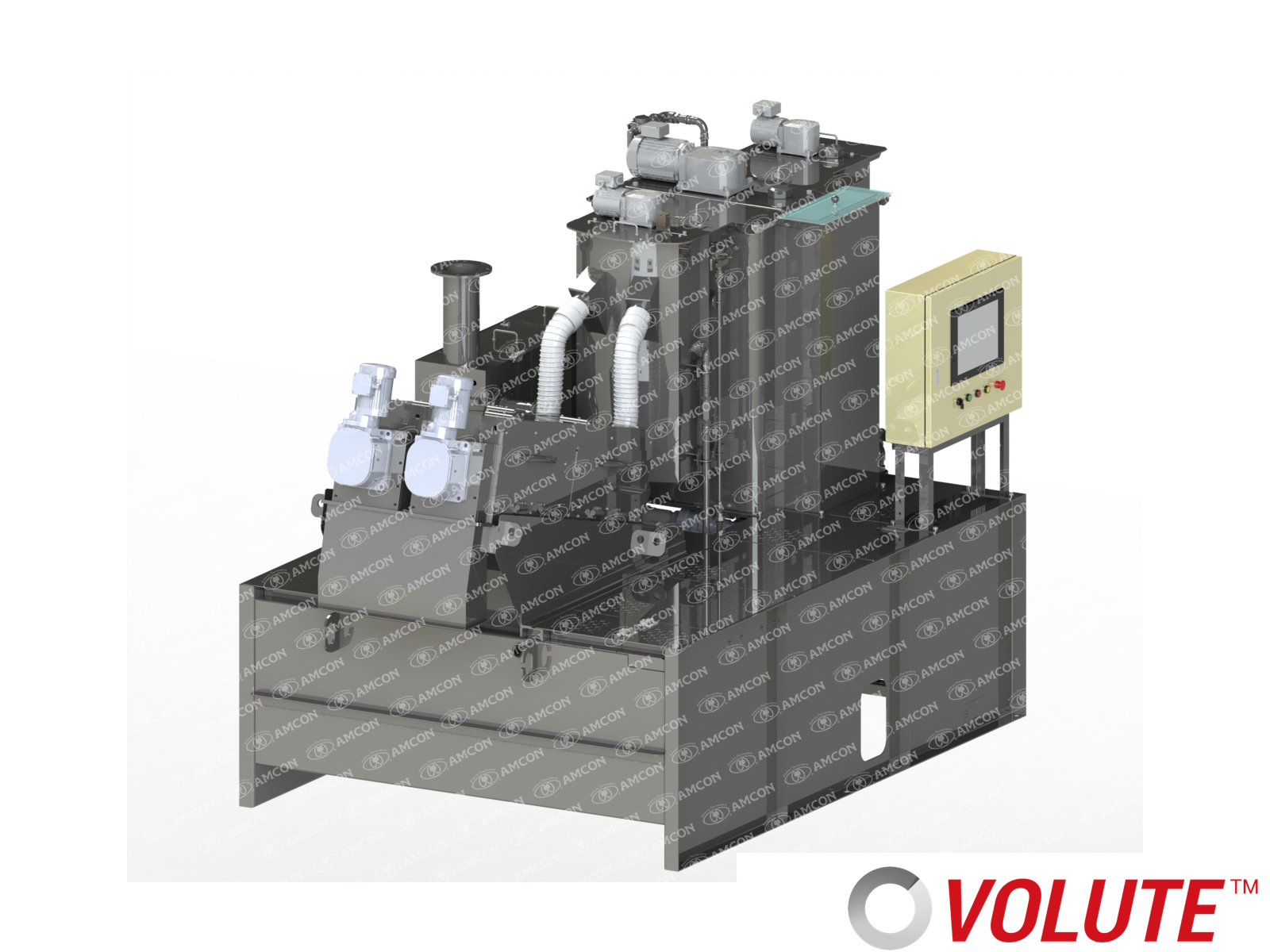
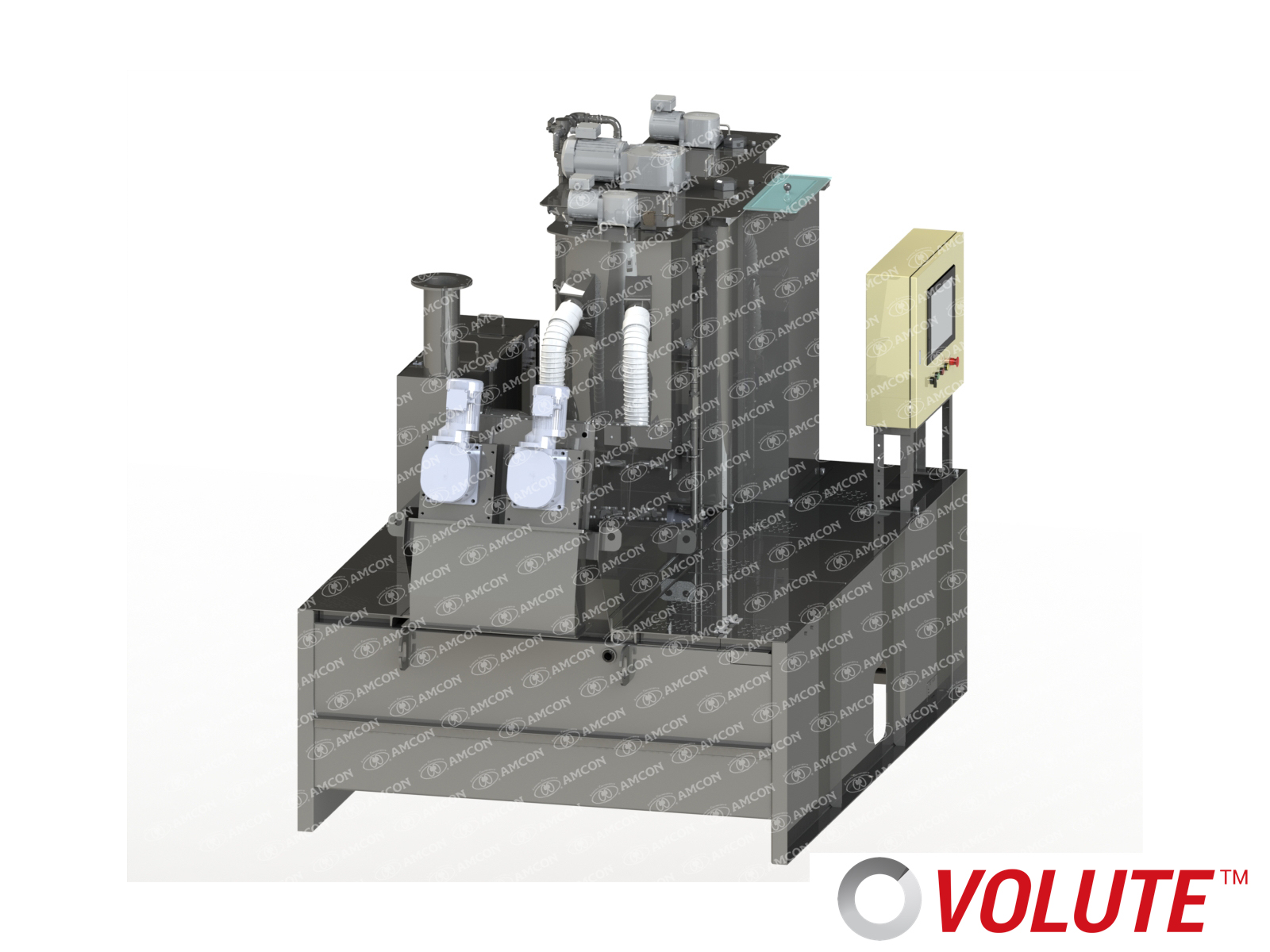
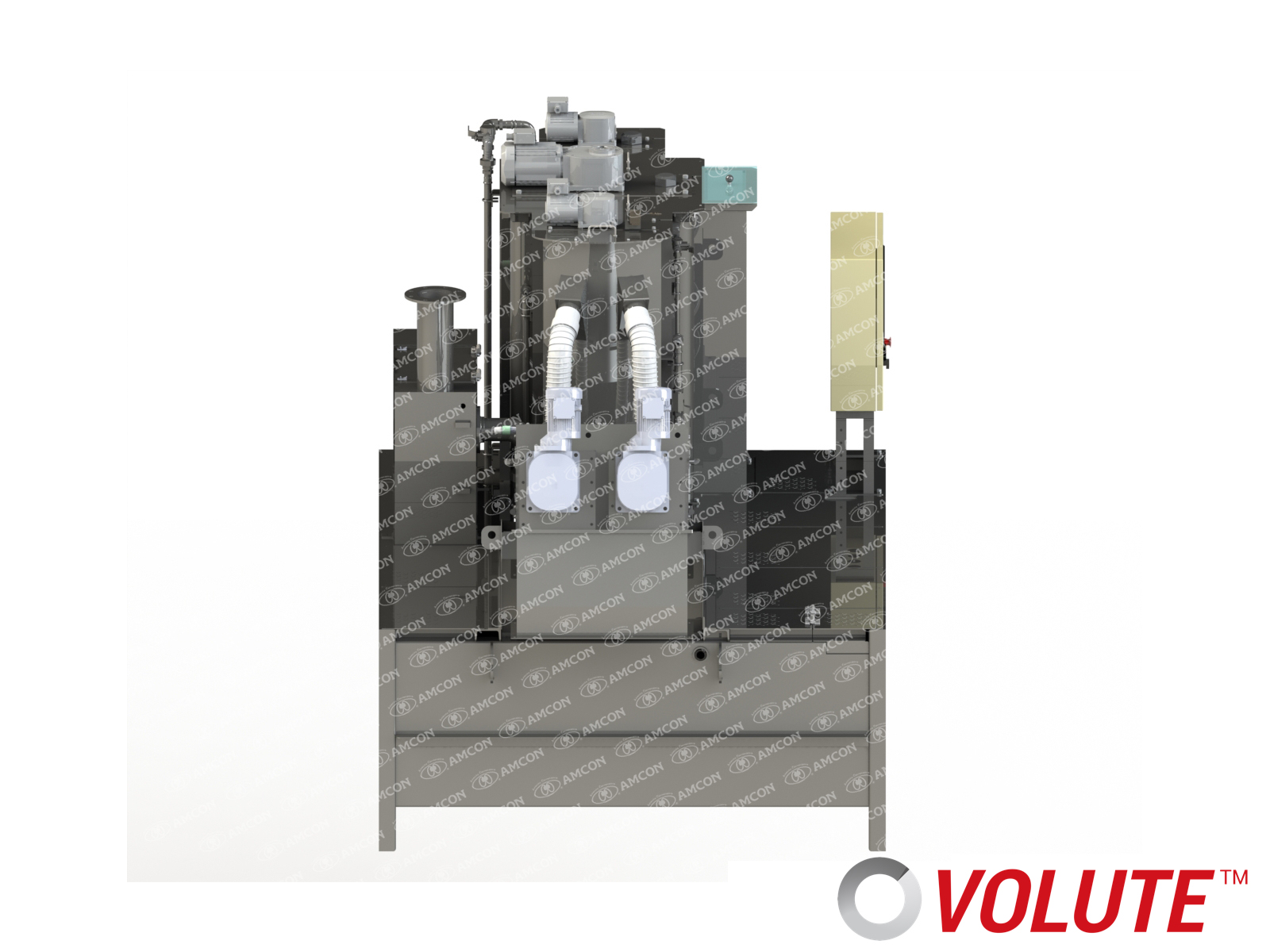
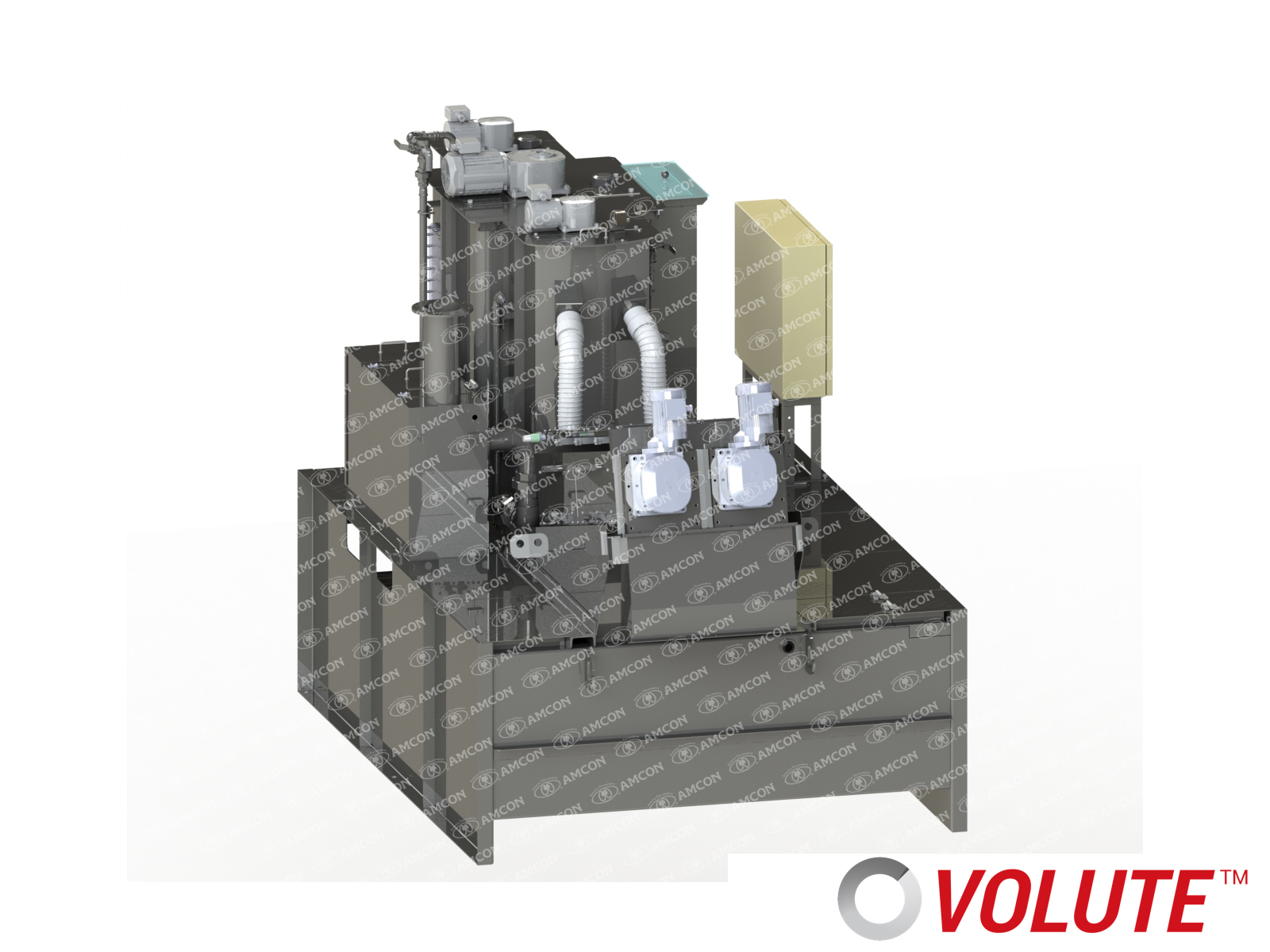
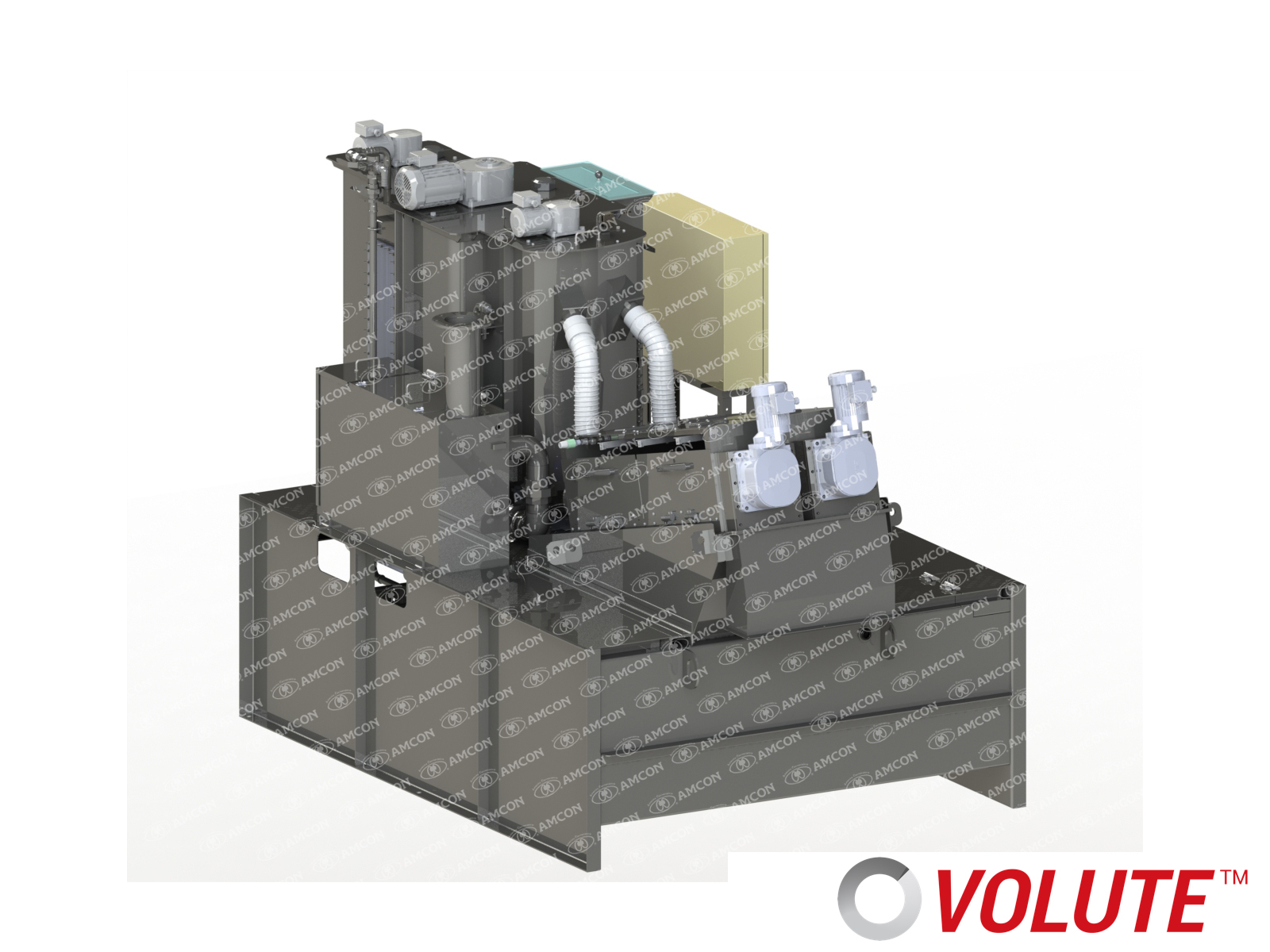
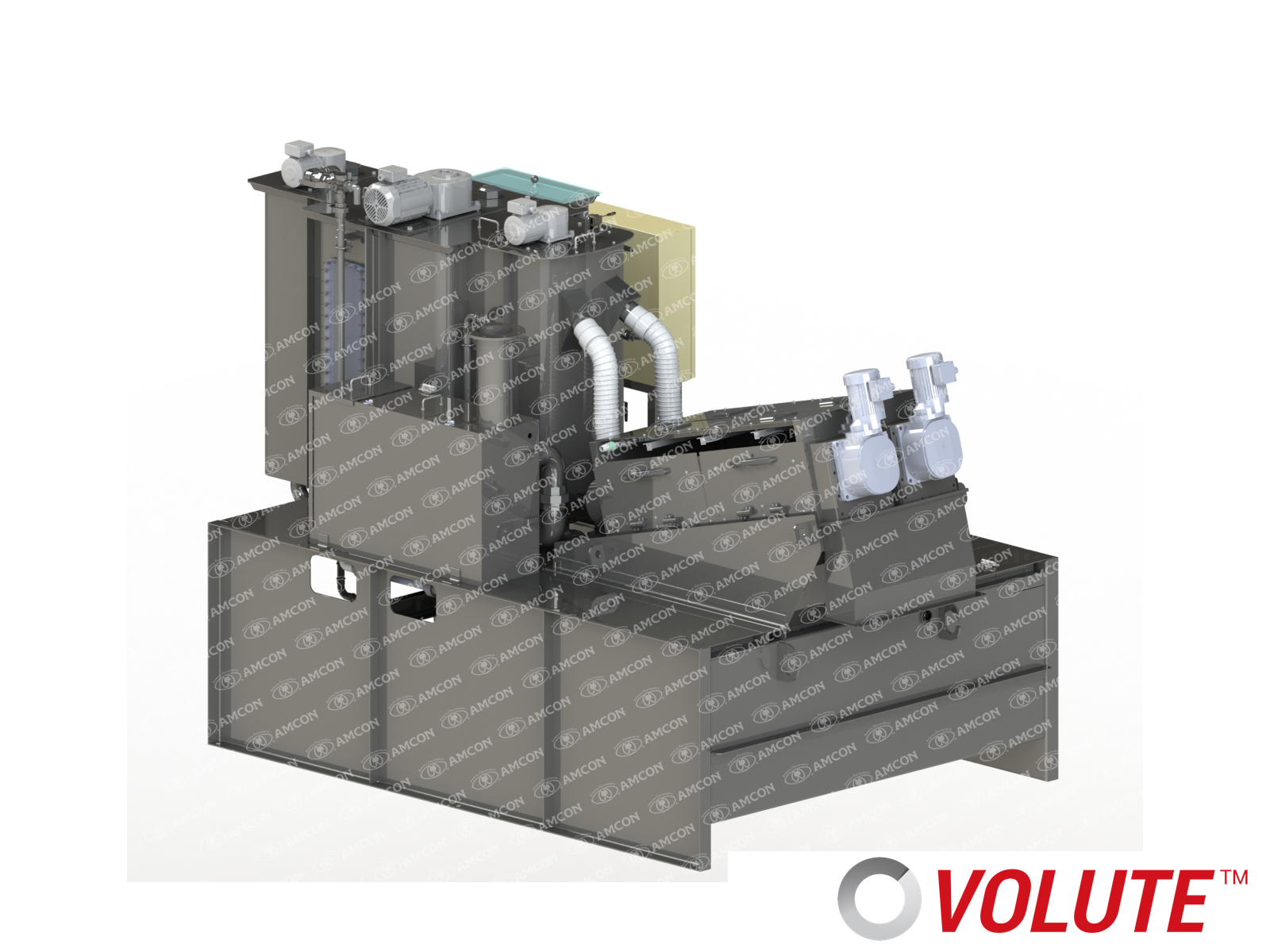
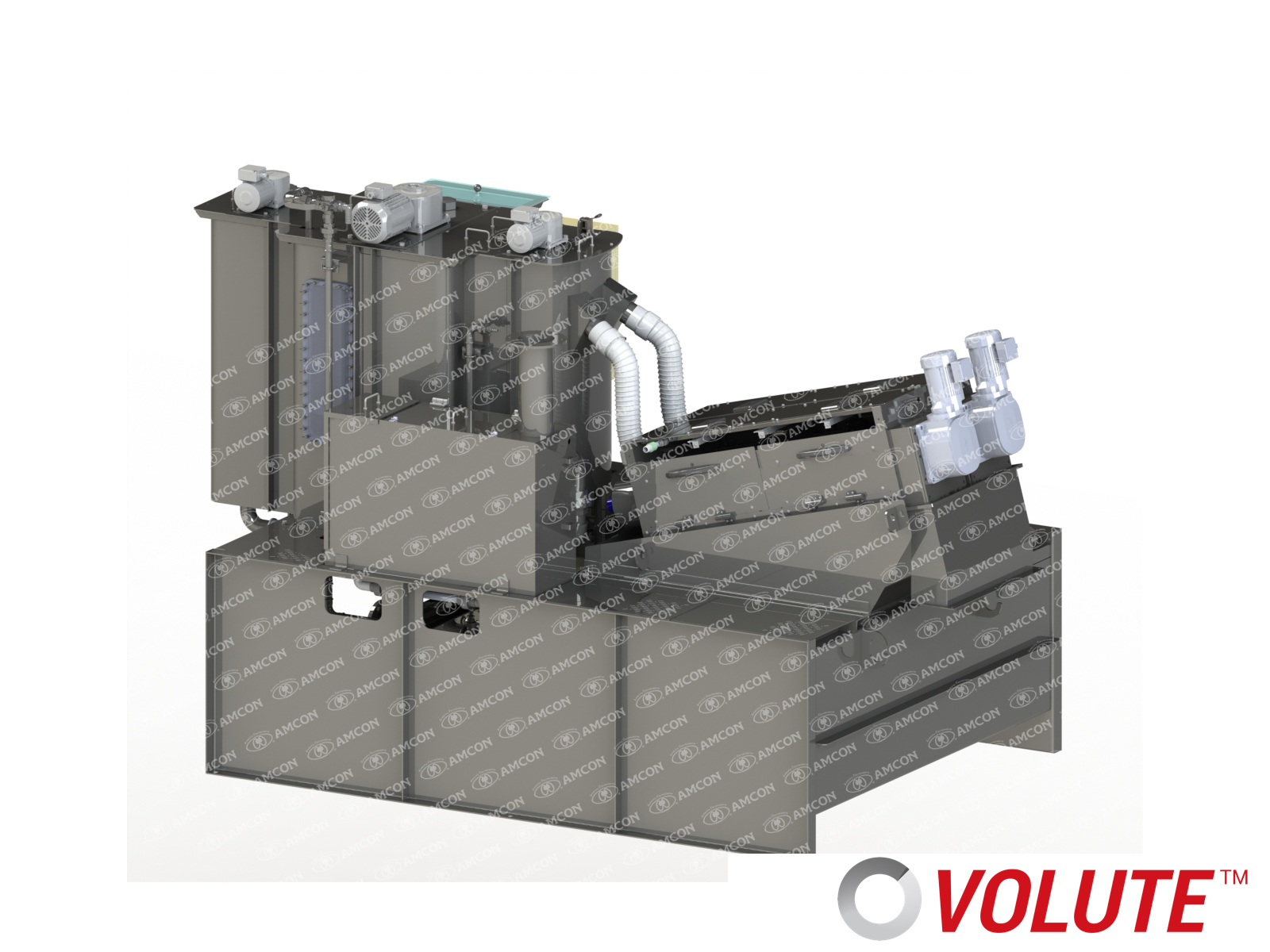
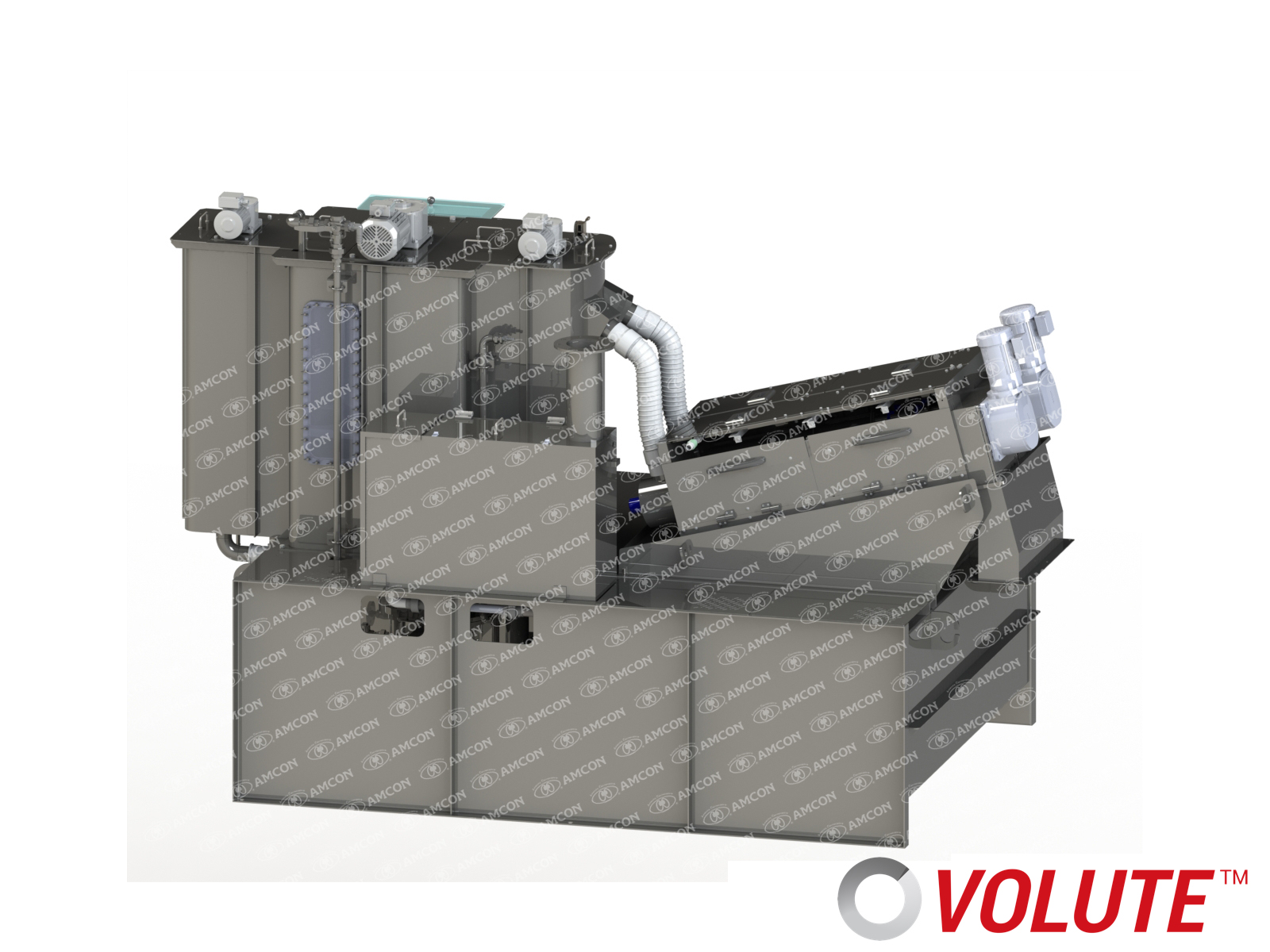
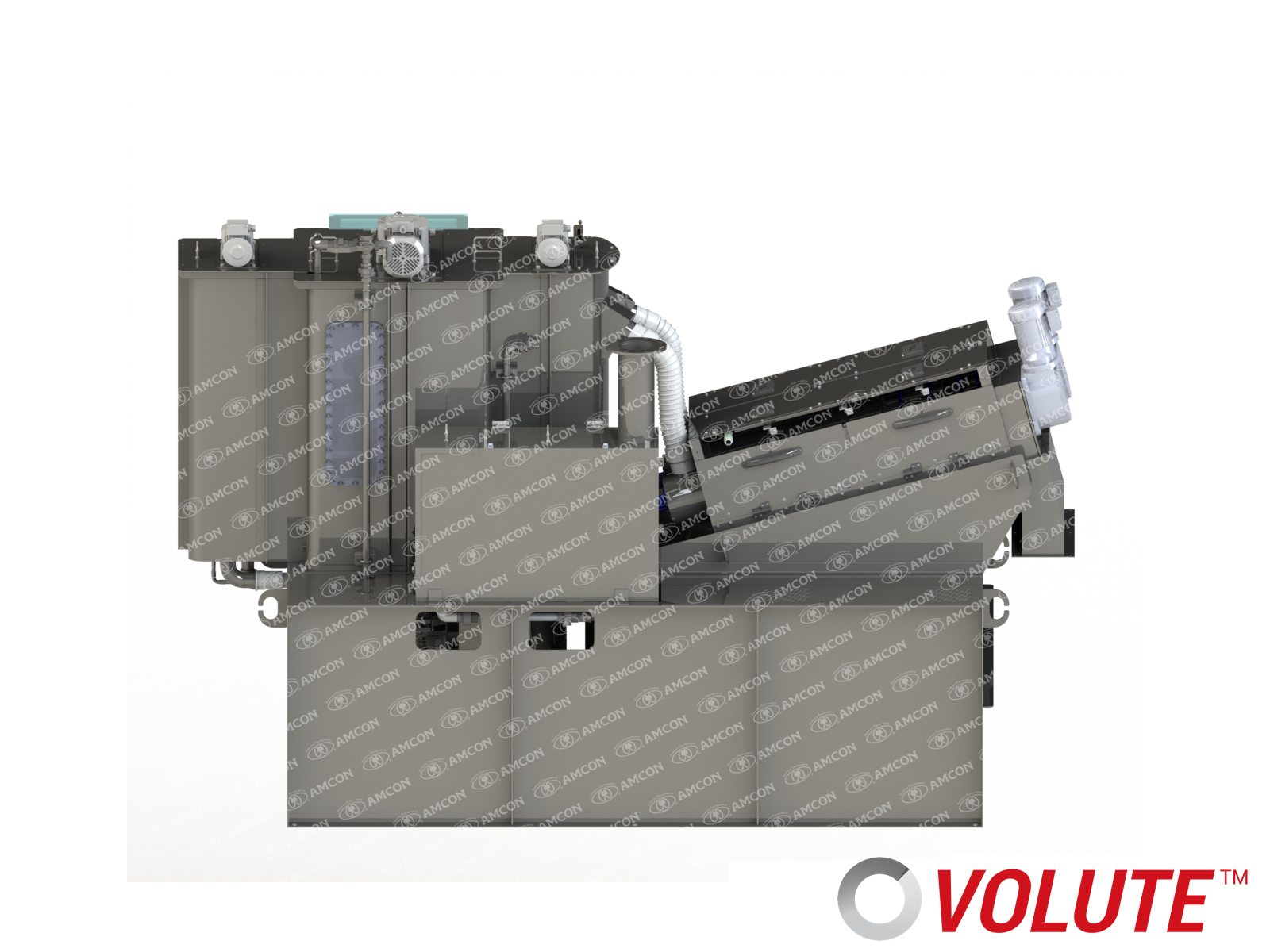
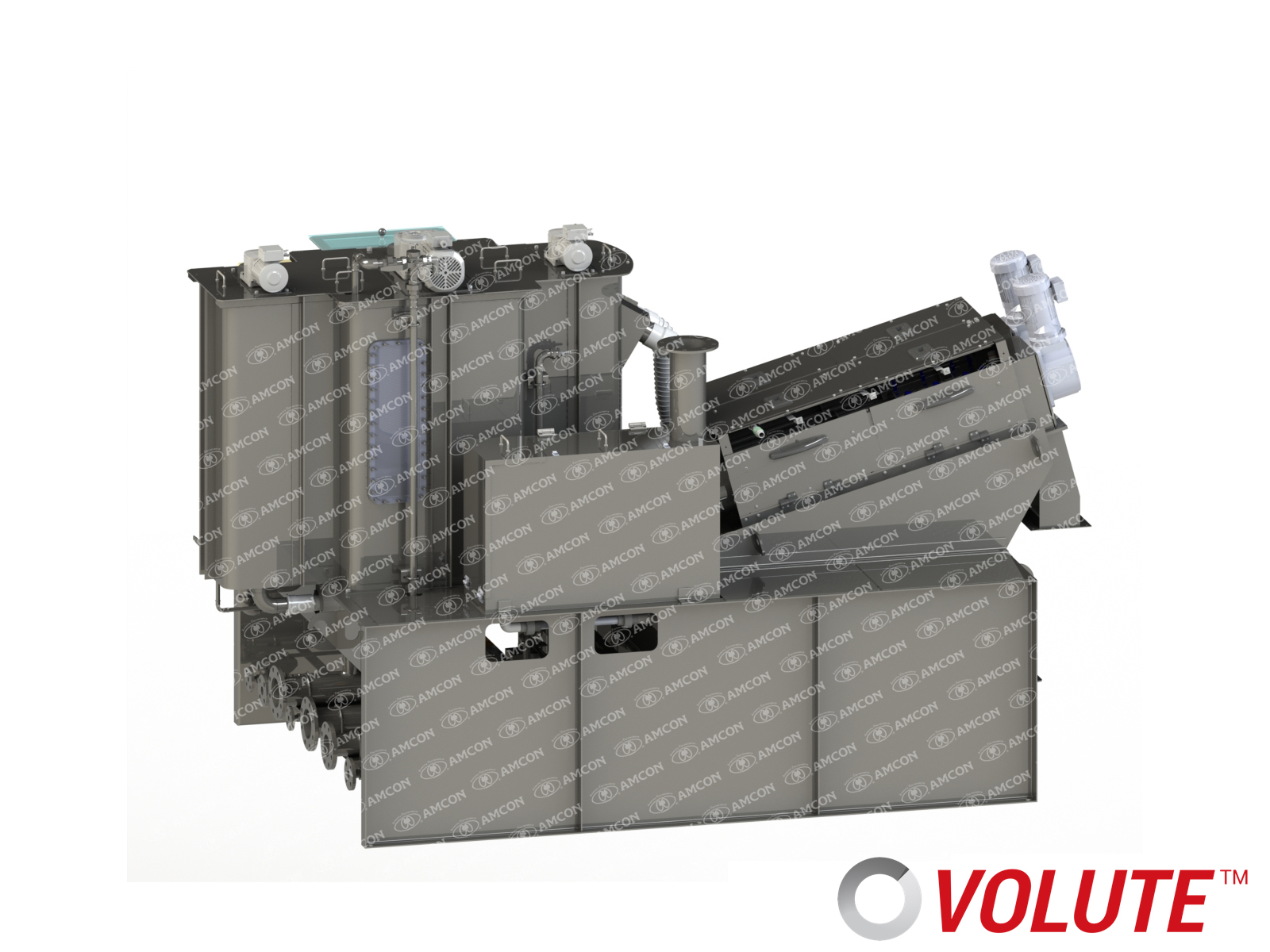
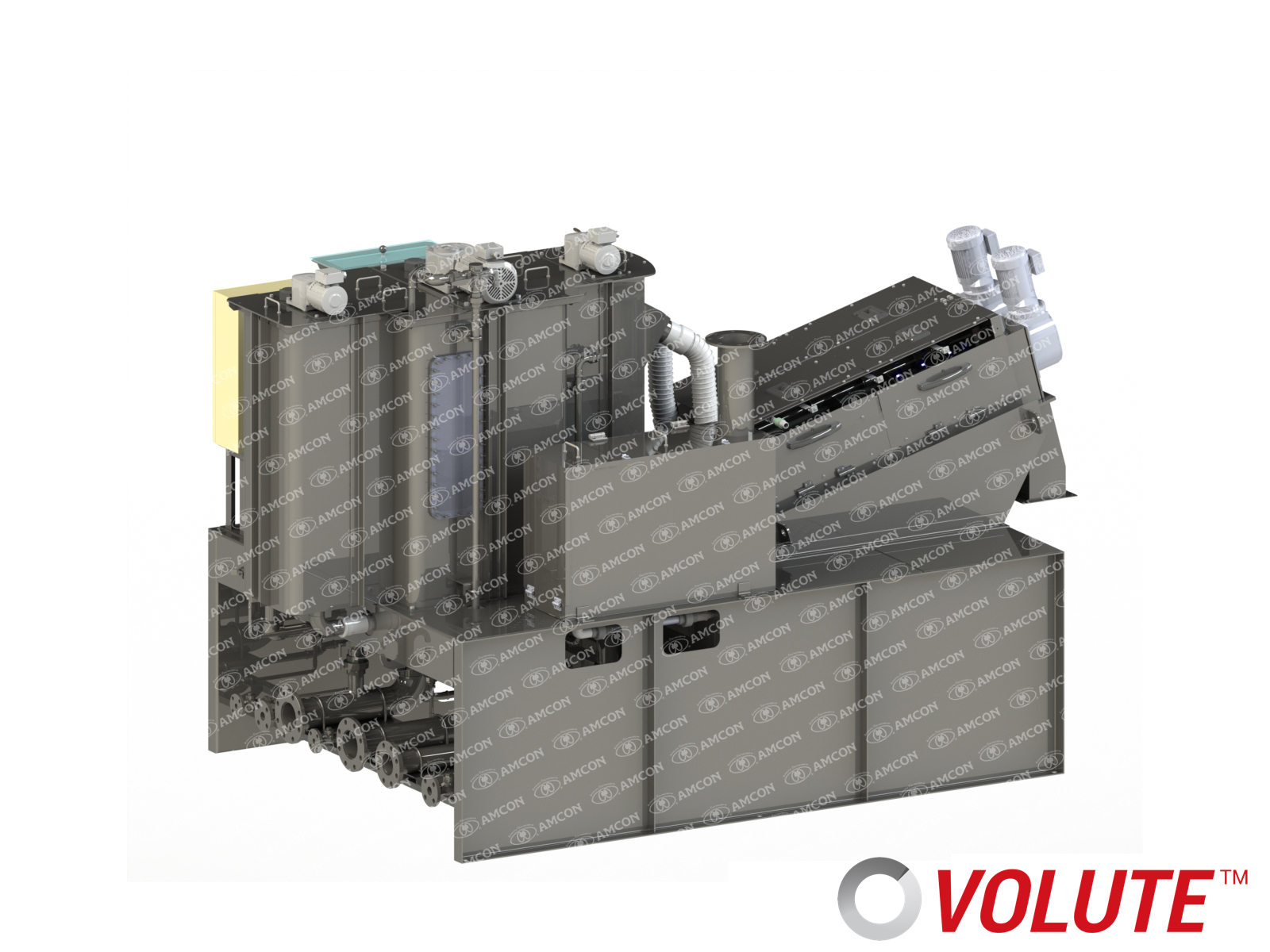
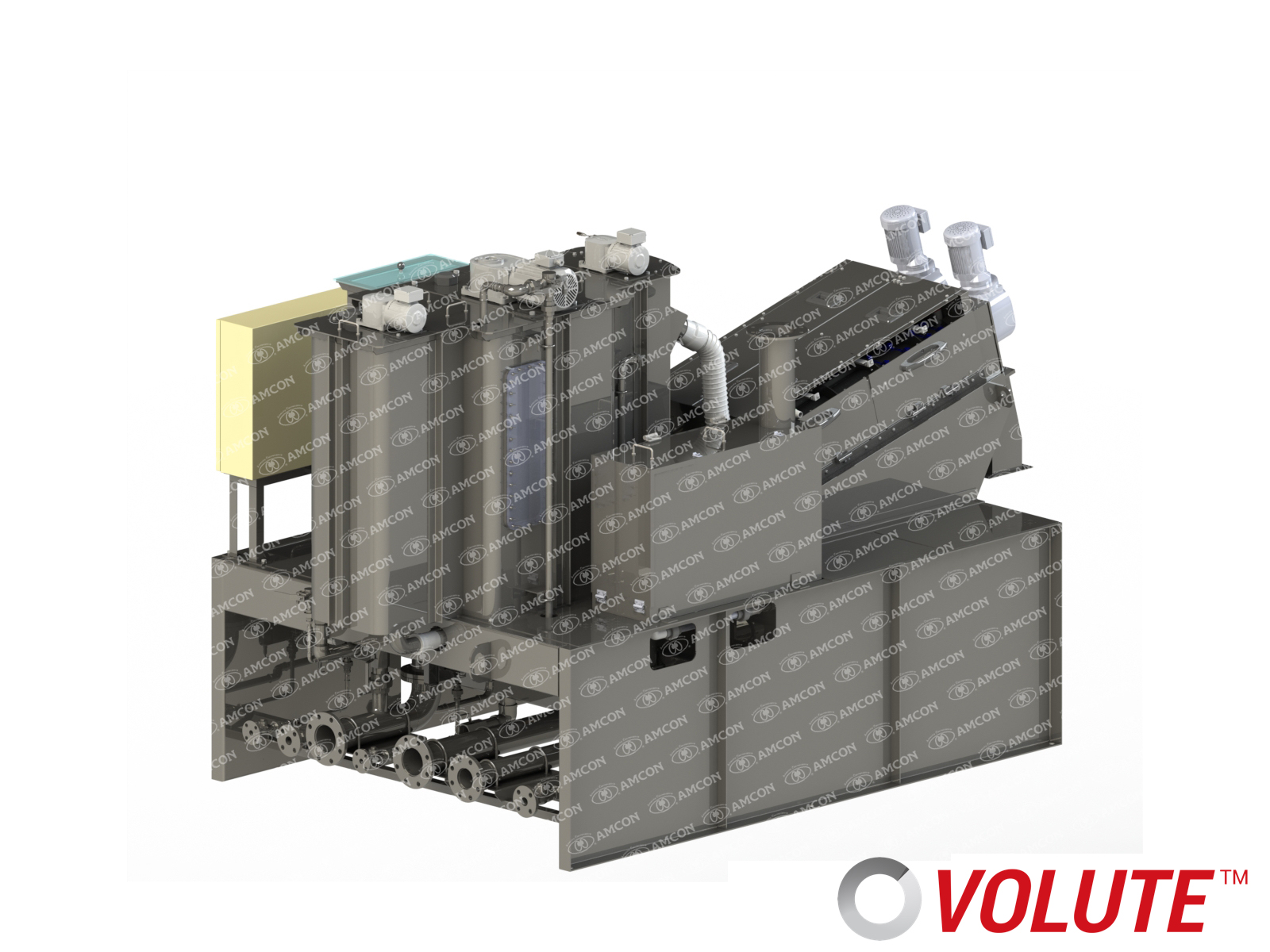
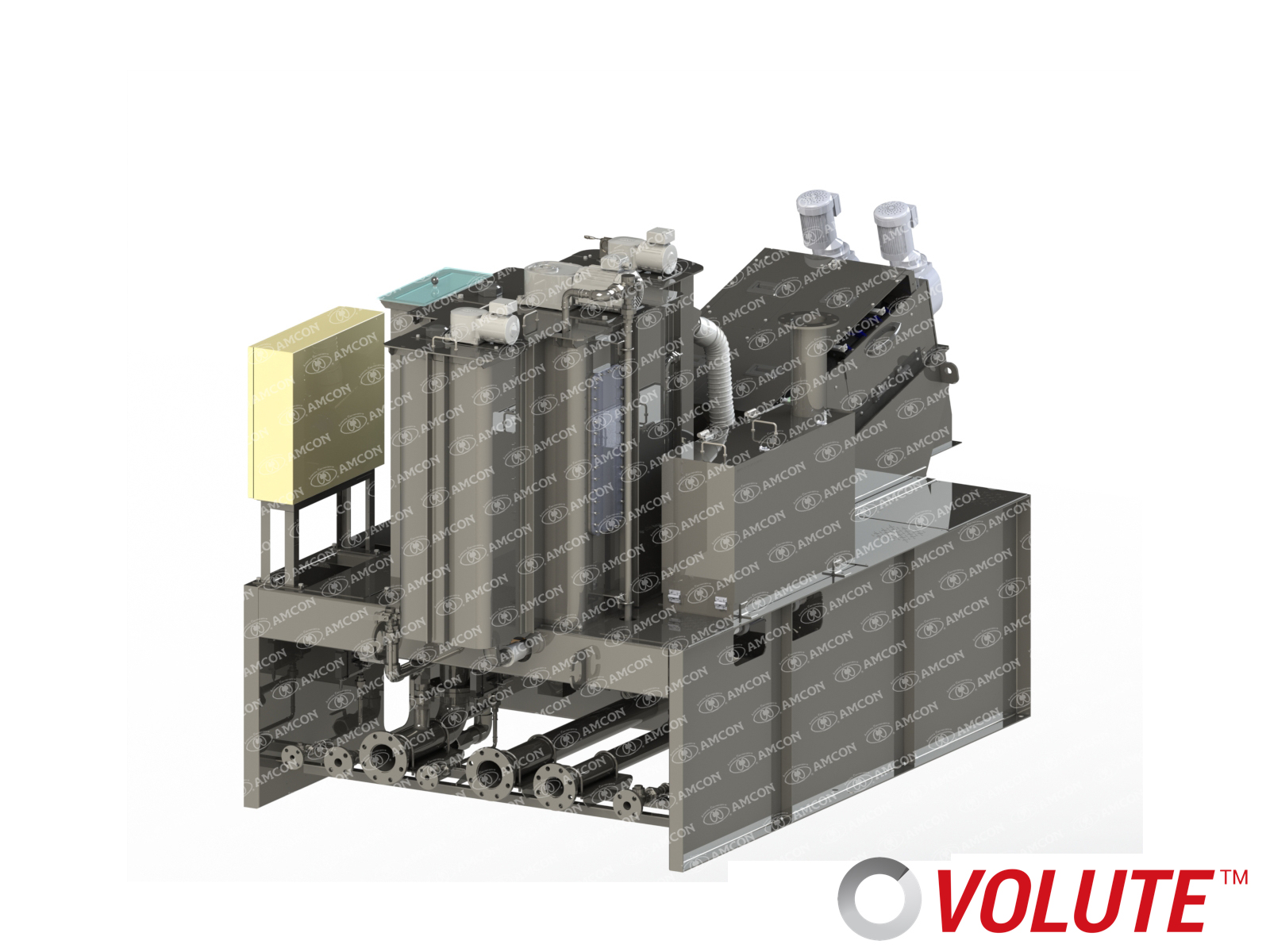
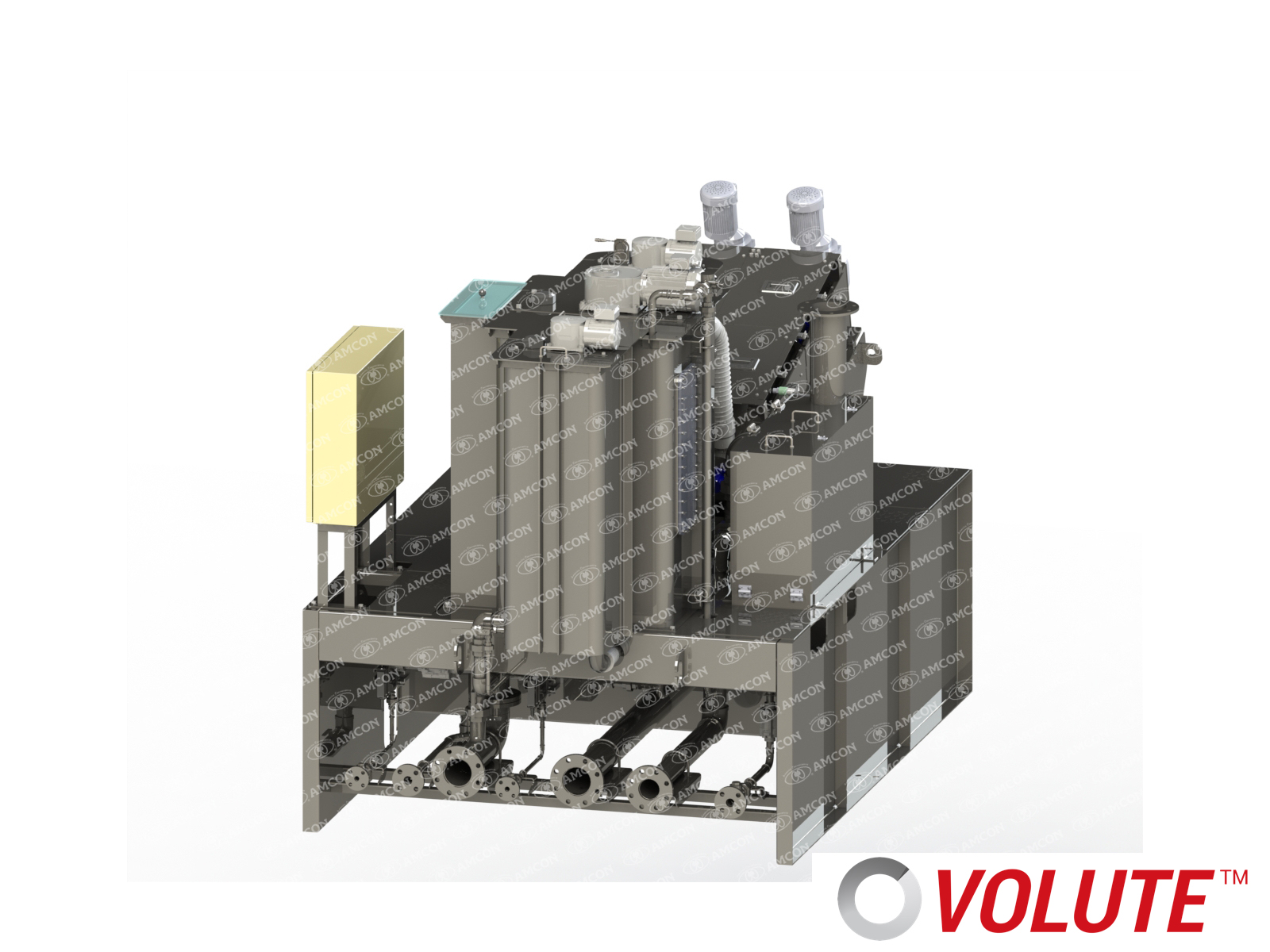
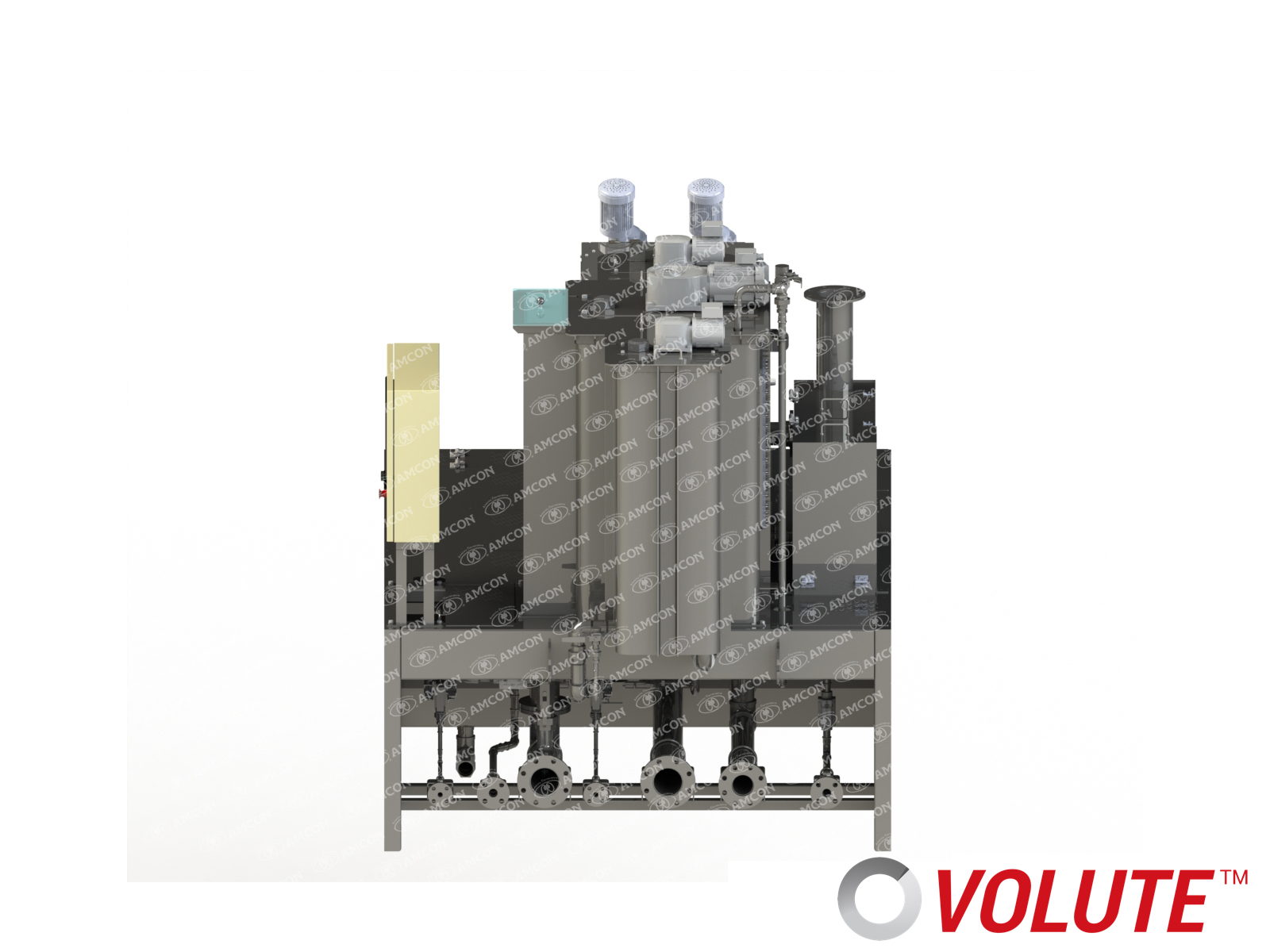
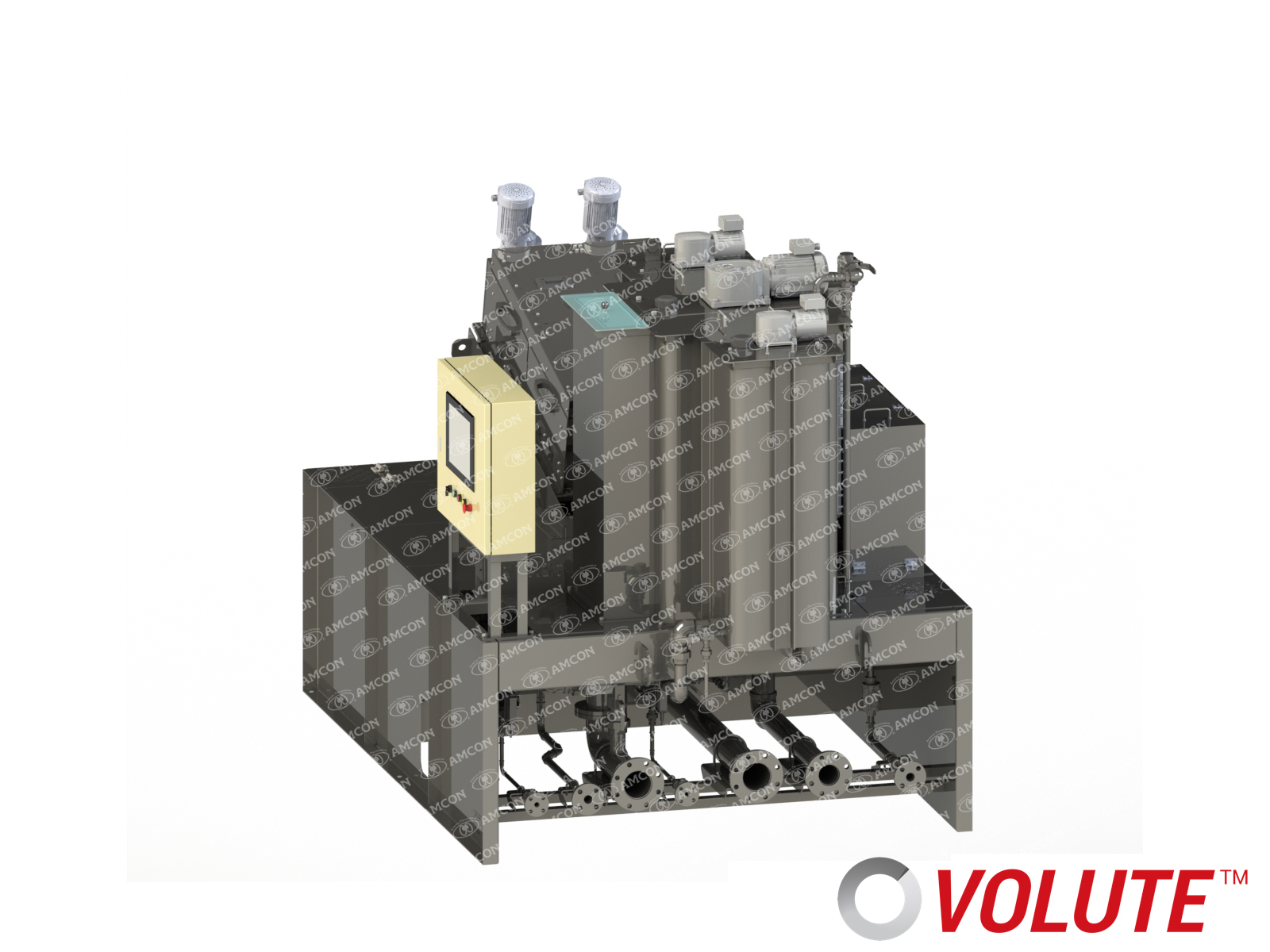
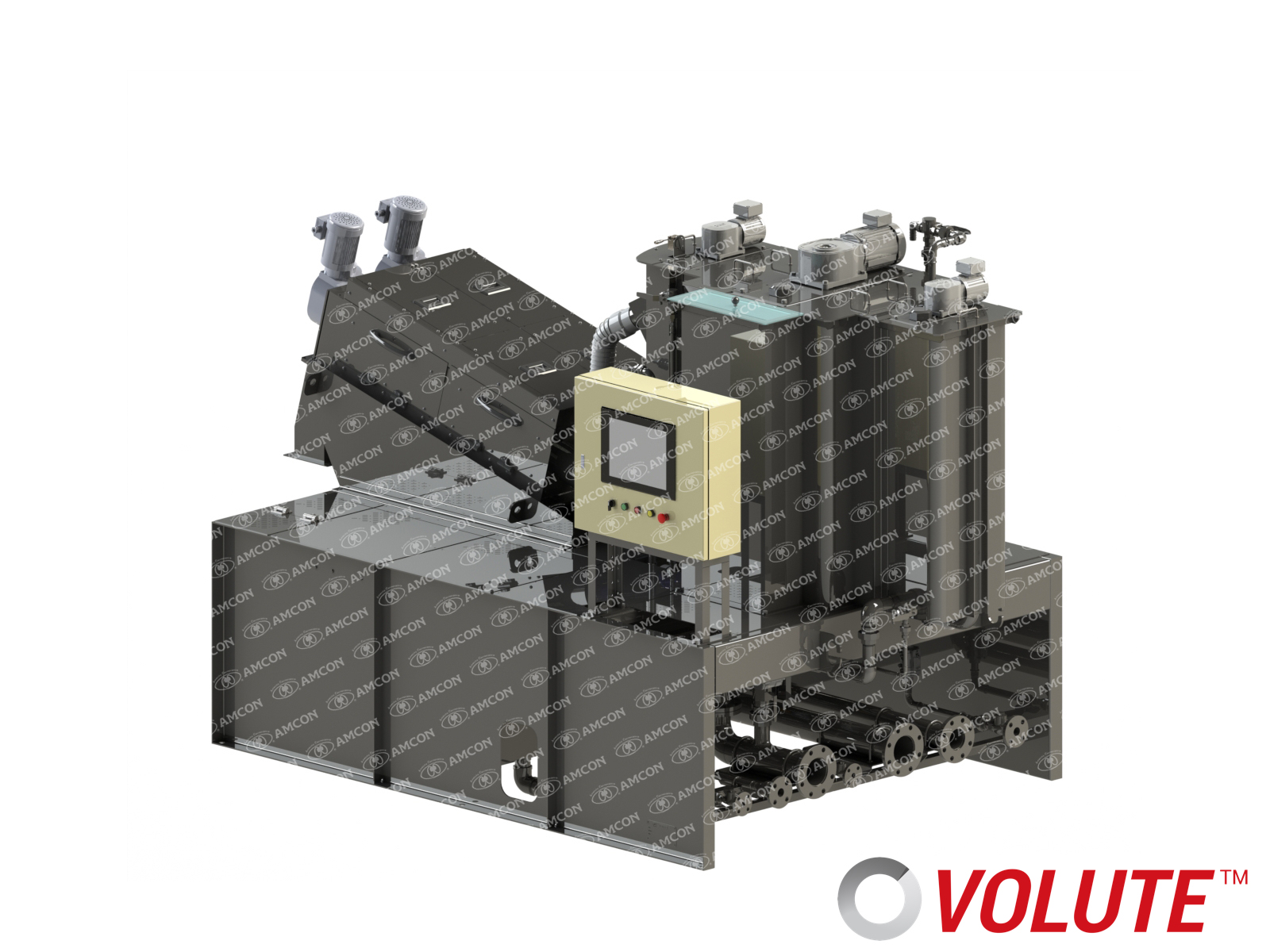
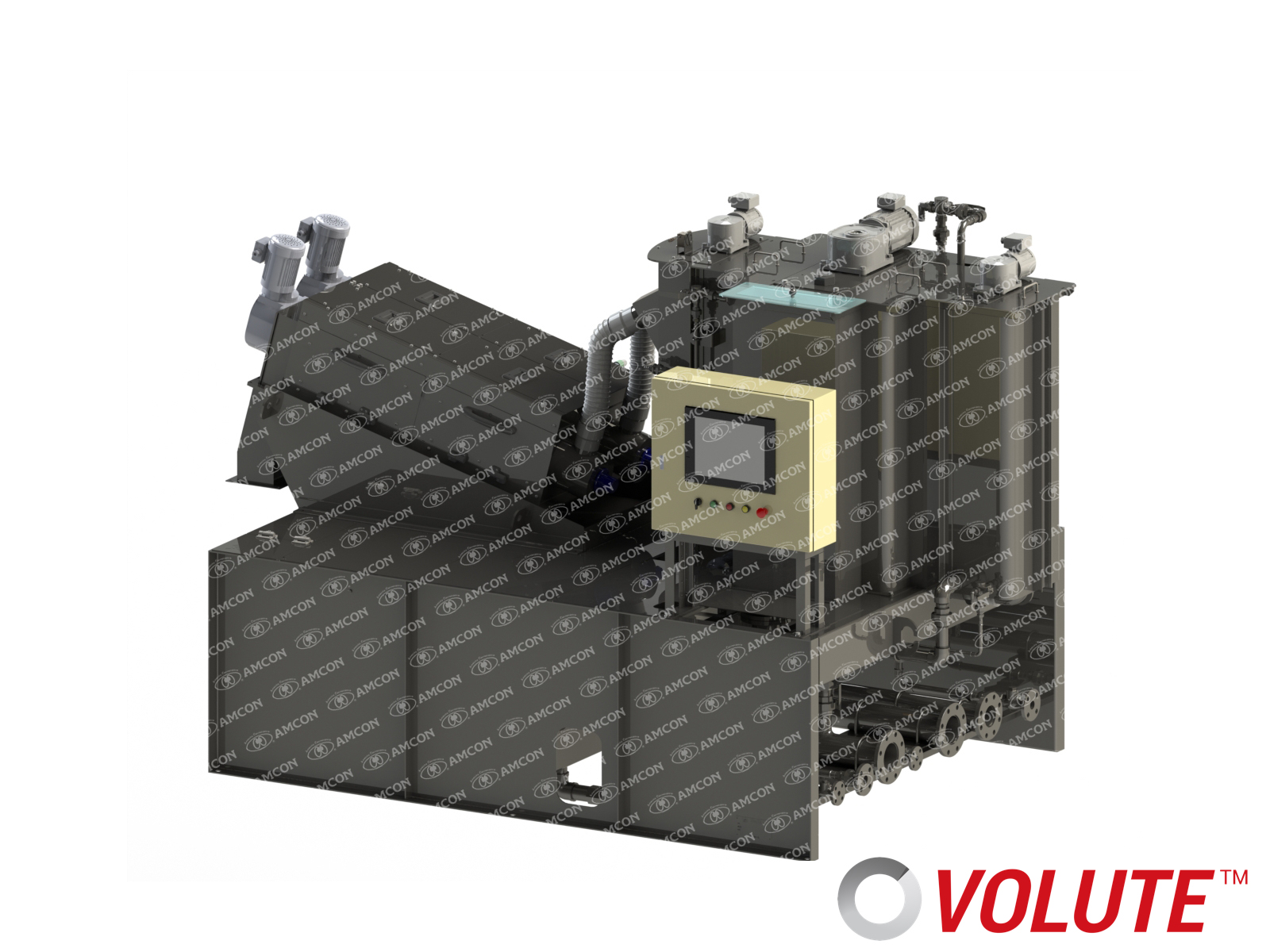
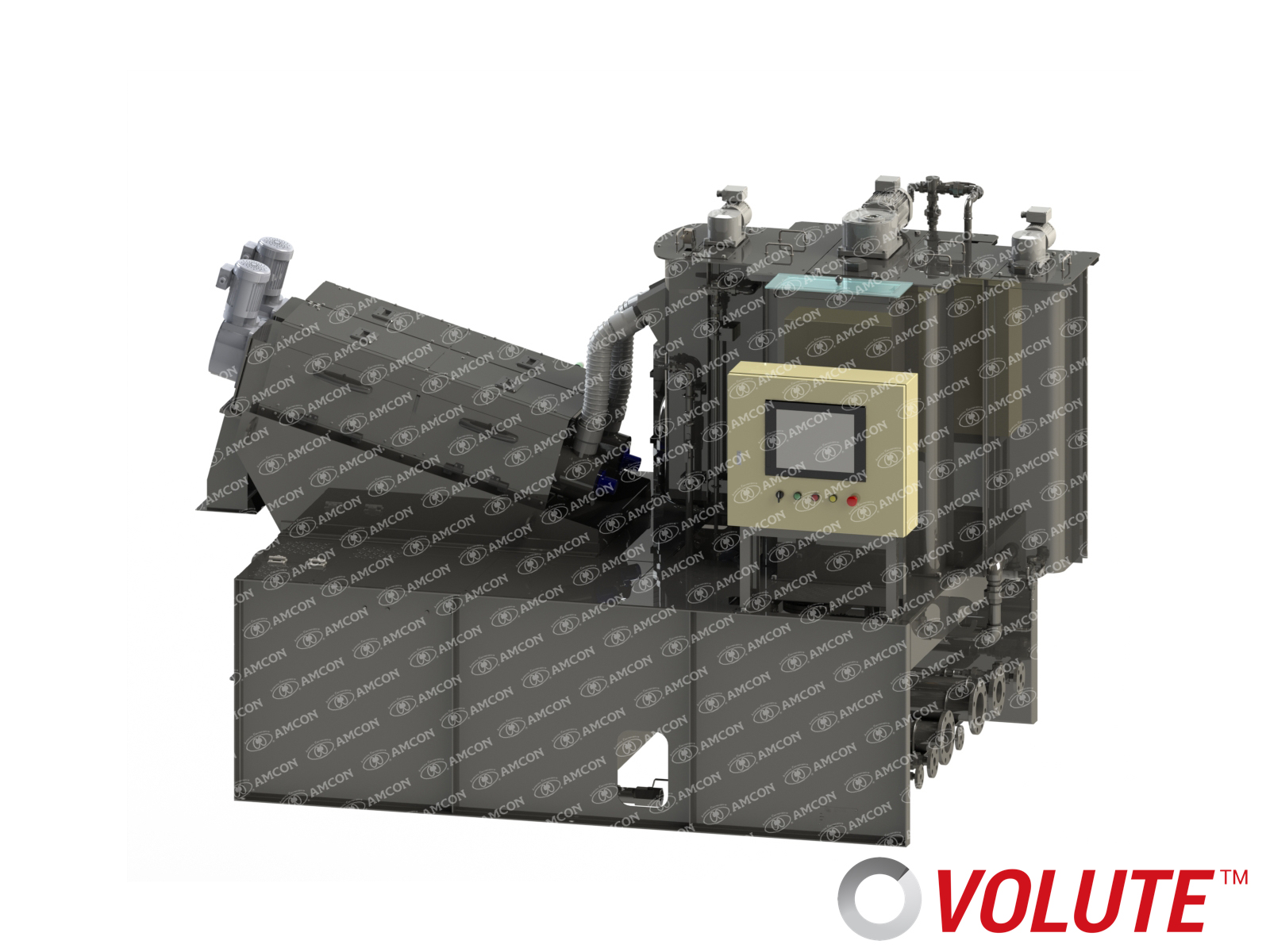
Treat the sludge taken from an oxidation ditch by the oxidation ditch process. This is a high-end model with many new features developed based on the conventional MS series. This model has improved throughput and reduced the system size, reducing the life-cycle cost.


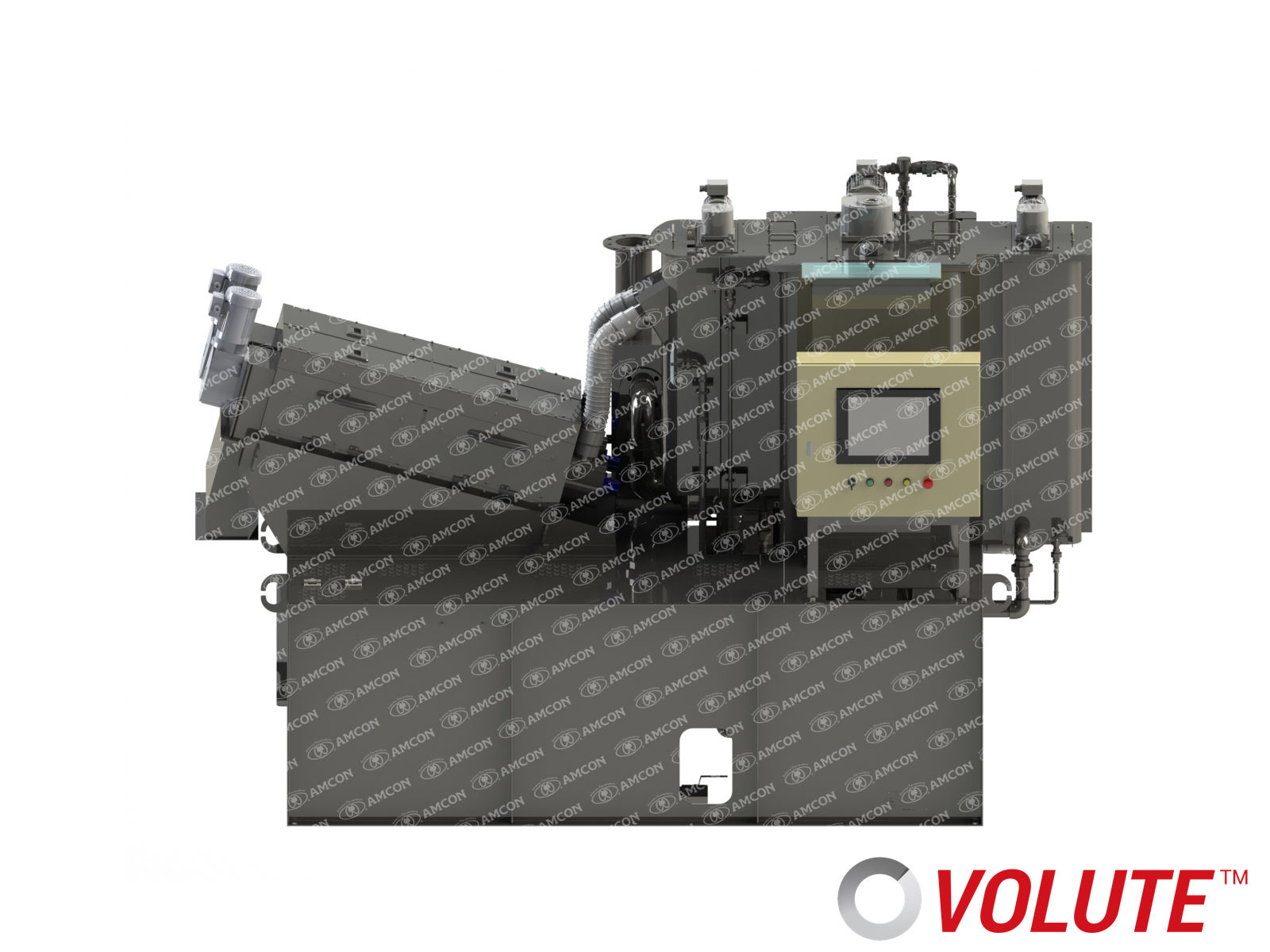
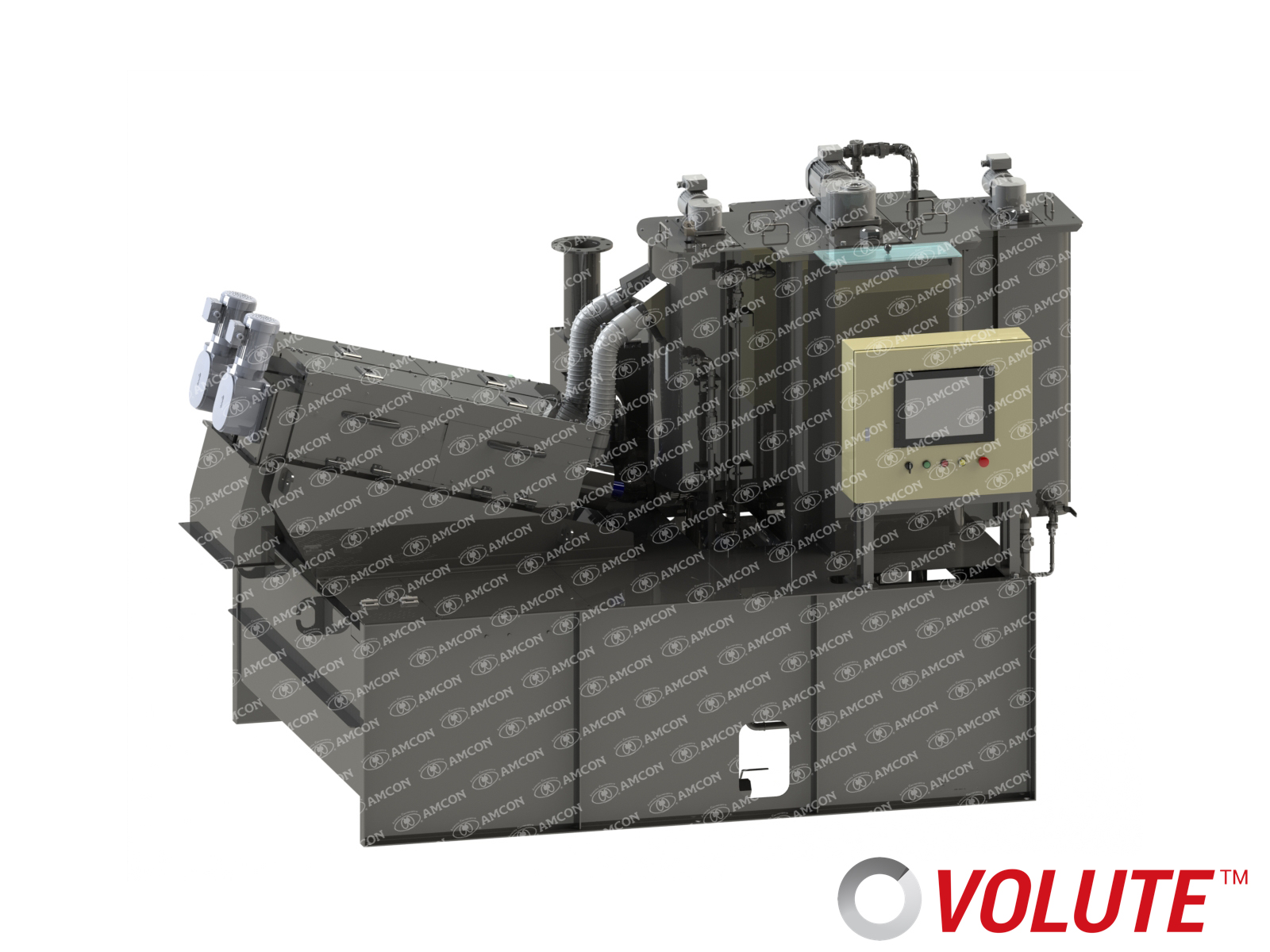
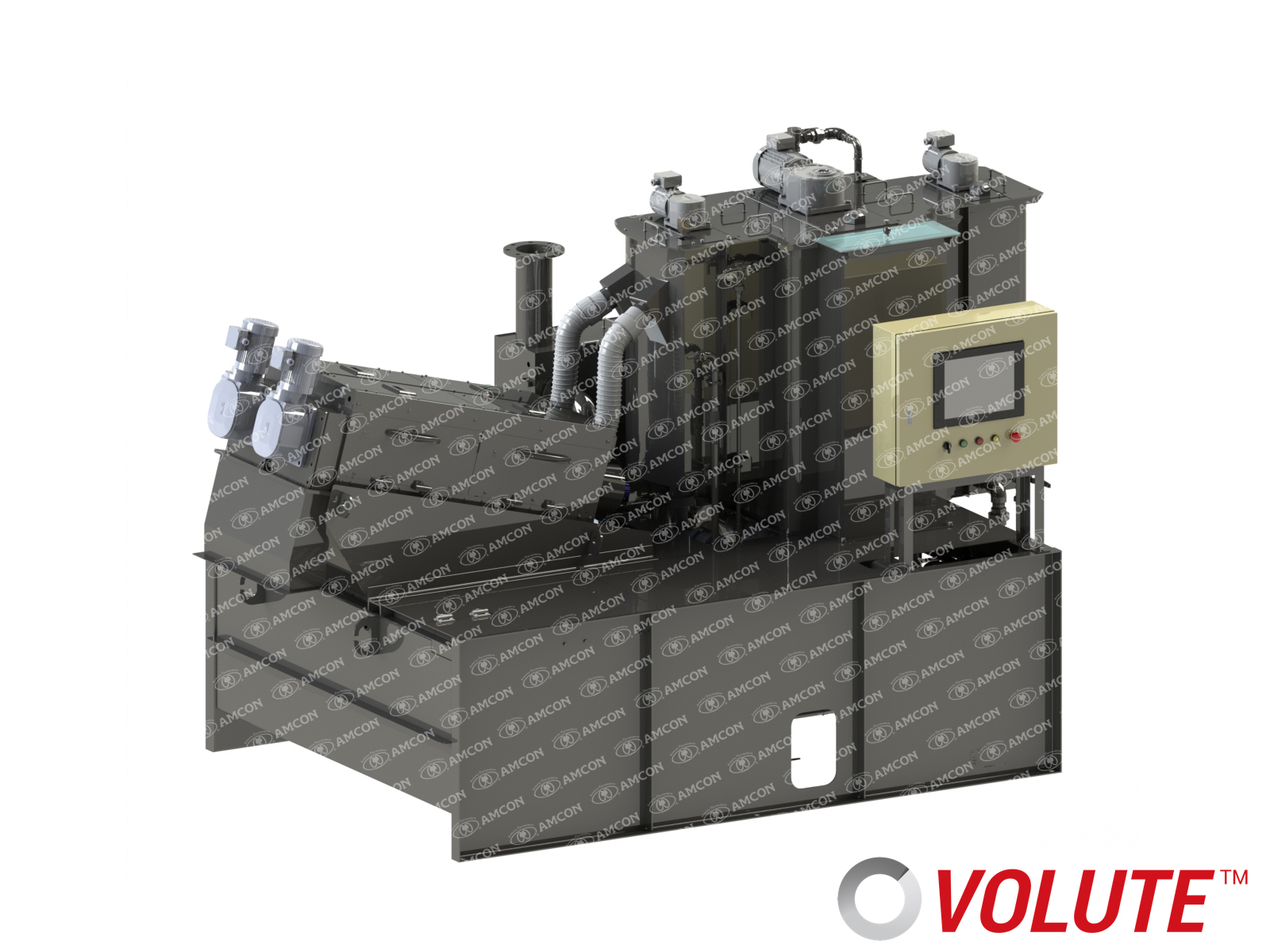
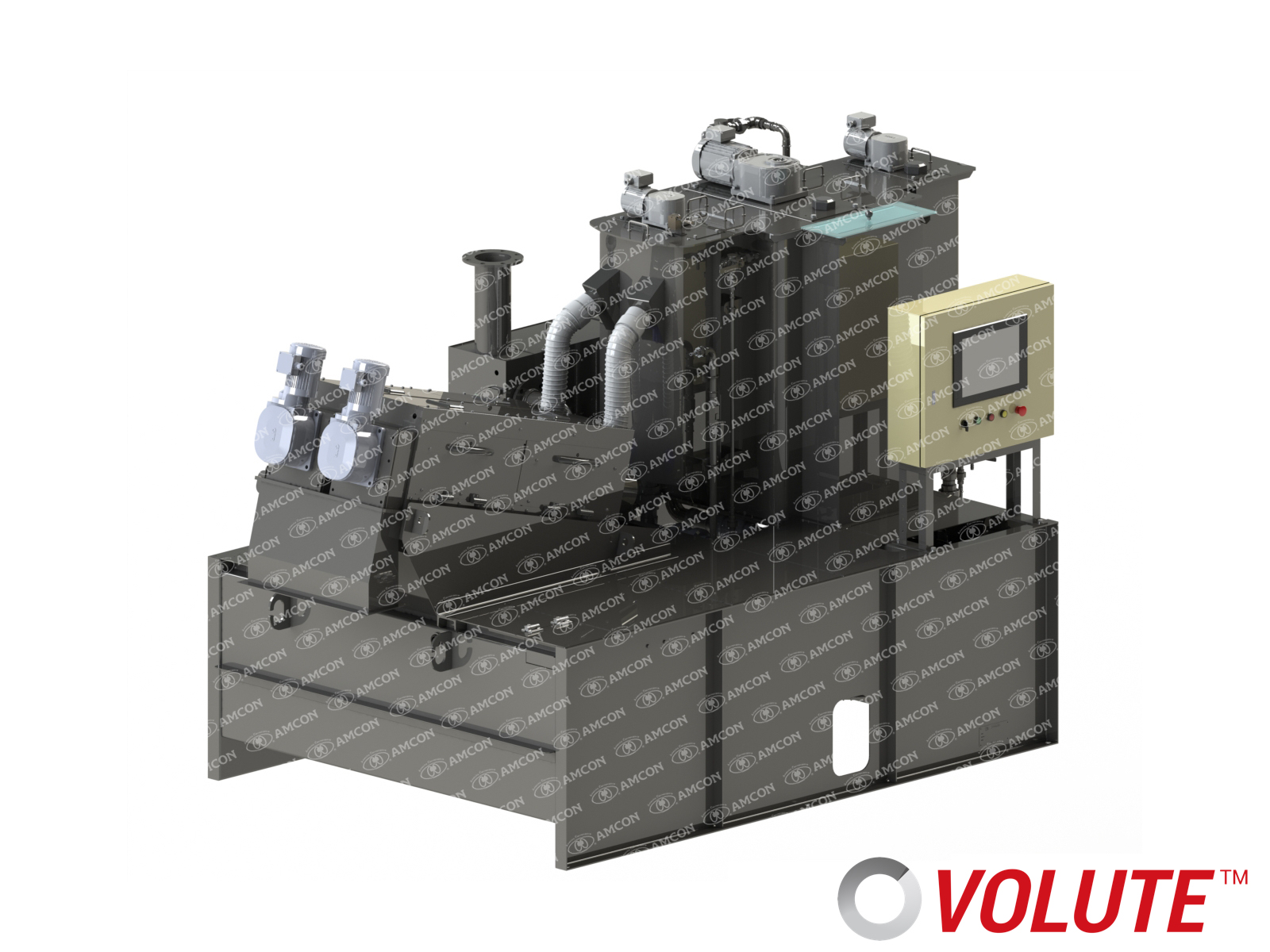
Advantages
-
 No pre-thickening required (TS 0.2%〜)
 -
 Life cycle costs can be reduced
 -
 Maintainability improved
 -
 Realize stable operation with control responding to concentration fluctuation
 -
 Low Noise/Low Vibration
 -
 Easy Operation & Maintenance
 -
 Excellent expandability.
Additional cylinder unit can be added even after delivery
No Pre-thickening Required
This machine has an integrated structure in which two processes, thickening and dewatering, are handled by a single filter element, allowing the user to directly charge low-concentration sludge having a TS of about 0.2% without providing a thickening system in the preceding stage.
Revolution in Sludge Treatment VOLUTE™ Introduced
– Direct Dewatering from Oxidation Ditch –
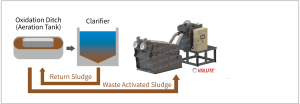
Since low-concentration sludge can be directly charged into the system, the oxidation ditch (aeration tank) direct dewatering process with VOLUTE™ has been widely employed in Japan as a sludge treatment method suitable for small-scale sewage treatment plants.
The direct dewatering from oxidation ditch was demonstrated for the first time ever in the world as a result of the joint research of Japan Sewage Works Agency and AMCON in 1998.
Advantages of the Direct Dewatering from Oxidation Ditch:
- Reduction in the construction and operating costs for thickening and storage equipment
- Odor reduction by dewatering fresh aerobic sludge
- Efficient recovery of phosphorus in waste activated sludge to the dewatered cake side, thereby reducing the load due to phosphorus returning to wastewater treatment
- Easy operation and management of the sludge dewatering press due to small concentration fluctuations in the oxidation ditch (aeration tank)
Commonly Used Sludge Treatment
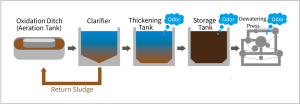
Oxidation Ditch Direct Dewataering
Improved Throughput has Reduced the Life Cycle Cost
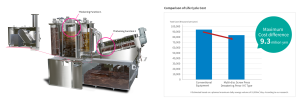
Two thickening functions are installed in the Thickening Flocculation Tank and then in the VOLUTE™ cylinder.
When the water content of the dewatered cake is set at the same level as that of the conventional machine, the throughput has been improved by approximately 50%.
This enables a reduction in the life cycle cost by reducing the system size.
Realize Stable Operation with Control Responding to Concentration Fluctuation
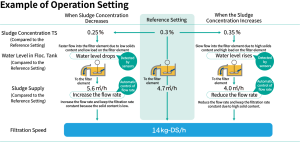
In the treatment of mixed raw sludge, sludge properties such as sludge concentration and fibrous materials and those of seasonal sludge properties fluctuate greatly, which sometimes makes it difficult to adjust the operation of the sludge dewatering press, such as the amount of sludge fed and the amount of chemicals dosed.
In the DW series, a level sensor detects water level fluctuations in the flocculation tank, and even when the concentration of the sludge fed into the sludge dewatering press fluctuates (TS of 2.5 to 3.8%), the system automatically adjusts the amount of sludge fed into the filter to maintain that an amount of solids fed into the filter element is constant. This allows the operation with constant water content and filtration speed without changing the operation settings each time the concentration changes.
Maintainability Improved
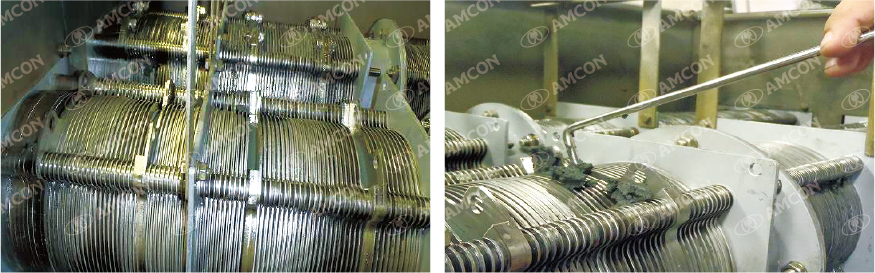
A newly designed ring is employed to remove sludge without pulling the screw out of the machine, even in the event of a malfunction such as sludge clogging inside the machine.
This reduces the time required to restore operation and shut down the sludge dewatering press.
Easy Operation & Maintenance
24-hour fully automatic unmanned operation is possible with an automatic operation control using various sensors. There is no need for manual startups or shutdowns whilst operating the machine.
Additionally, there aren’t many daily maintenance items, and on top of that, there are no complicated operations required.
Furthermore, it does not require any special knowledge or skills, making it an easy-to-use product.
Expandable Throughput
The throughput of VOLUTE™ can be easily expanded with its Cylinder Unit. We are ready to meet your expectations, “We want to be prepared for the increase of sludge in the future, but without too much increase in the initial cost…”
-300x150.png)
Low Noise/Low Vibration
As our product does not have a high-speed spinning unit, there is no need for noise or vibration
concerns, as such, no preventative measures need to be put in place for noise pollution. Additionally,
as there is no vibration from the machine itself, any kind of flooring modifications to accommodate vibrating machines will be unnecessary.
Process Flow
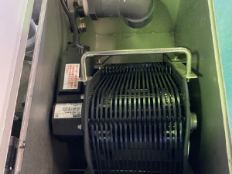
Automatic Screen
The screen removes the impurities such as hair, plastic, and others which are contained in the sludge.
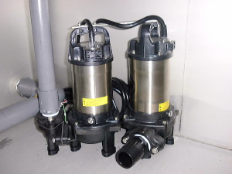
Sludge Conditioning Tank
A sludge conditioning tank temporarily stores sludge before it is dewatered. The model with a sludge conditioning tank realizes a high solid capture rate higher than 95%. When required, the conditioning tank can be used as a reactor tank for coagulant.
Pre-Reactor Tank for Coagulant/Polymer
Coagulant/polymer is added to the sludge which is supplied from the Sludge Conditioning Tank, and mixed in this tank.
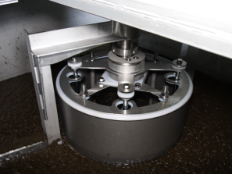
Thickening Flocculation Tank
Polymer and sludge are stirred and mixed, forming flocs for VOLUTE™. Then, the built-in thickener in the tank instantly thicken the sludge.
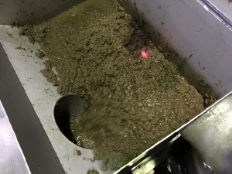
After-Reactor Tank for Coagulant
Coagulant added to the concentrated sludge, and mixed in this tank.
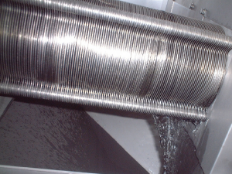
Cylinder Unit
Sludge is further thickened in the thickening zone of the cylinder, and then the inner pressure increased at the dewatering zone helps sludge being dewatered well.
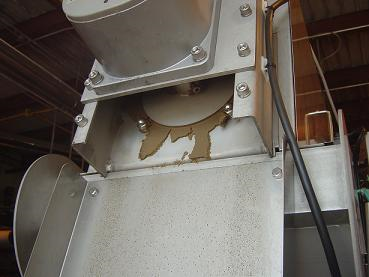
Discharge Outlet for Dewatered Cake
Further pressure is applied from the outlet side with the End Plate, discharging dewatered cake with better than 17% dry solids content.

Feel free to contact us. After collecting information about your treatment process, sludge volume, operating hours, and other conditions, we will select the most suitable model for your sludge and your concerns. During sample test, we will simulate the amount of chemicals to be dosed, the estimated water content of the dewatered cake, etc. Upon request, a pilot test can be performed at your wastewater treatment plant (for a fee). After determining the specifications and ancillary equipment, we will start producing the equipment. Our sales representative or service engineer will perform operational adjustments at your wastewater treatment plant and you will check how to operate the system before we hand over the equipment.
You may wonder, “Can the machine dewatering the sludge as desired?” or “ Is it difficult to operate the machine?”
In addition to eliminating concerns before purchase, you can also use our products as a replacement machine during the service period of an existing dewatering machine or during the construction period of a wastewater treatment facility.